
























Varroa Mite Resistance Threatens Beekeepers with New Setback

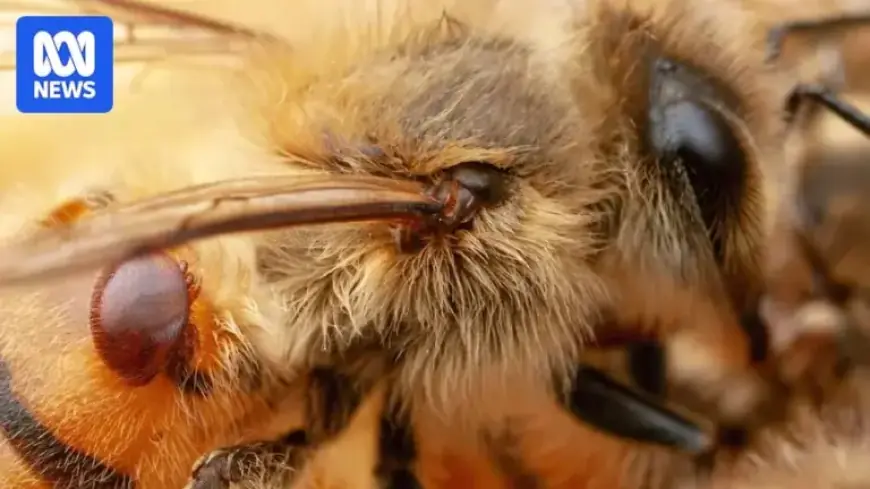
Beekeepers in Australia are grappling with a new challenge as resistance to amitraz has been confirmed in varroa mite populations. This development poses serious implications for the beekeeping industry, particularly in south-east Queensland and northern New South Wales. Robert Stephens, manager of Biosecurity Queensland’s Varroa Mite Innovation and Resilience Initiative, announced that resistant mites have been found in several regions, including Brisbane, Ipswich, and Logan.
Impact of Varroa Mite Resistance
The Australian Honey Bee Industry Council (AHBIC) indicated that this emergence of resistance could be a new incursion of varroa mites, distinct from the population first identified in New South Wales in 2022. This situation is alarming as the identified populations previously demonstrated resistance to pyrethroid chemicals, and now a resistance to amitraz is confirmed.
- Regions affected: Southern Downs, Ipswich, Logan, Brisbane, Redland Bay, Moreton Bay, northern NSW.
- Resistance discovered: Amitraz (used in Apivar and Apitraz) and pyrethroid treatments (used in Bayvarol and Apistan).
Best Practices for Beekeepers
Stephens urges beekeepers to adopt best practices, including rotating chemical treatments to combat resistance effectively. He states, “This is a wake-up call… beekeepers need to follow best practice when managing varroa.” The AHBIC agrees that the discovery of resistance is a significant concern and reduces the tools available for mite management.
Concerns Over Future Outbreaks
The prospect of new varroa mite incursions raises alarms. AHBIC executive Danny Le Feuvre noted that the recent closure of a four-year federal investigation into the 2022 outbreak leaves uncertainties regarding the origins of the issue. He emphasized the need for the federal government to reopen investigations to prevent further threats to the beekeeping industry.
- Investigation status: Federal investigation concluded without identifying how varroa mites arrived in Australia.
- Potential for new outbreaks: Confirmed by recent reports from NSW Department of Primary Industries and Regional Development.
Understanding Chemical Resistance Development
Chemical resistance in varroa mites can occur in several ways, including the gradual increase of resistant populations over time. However, Stephens highlighted that recent reports of treatment failures suggest that these resistant mites may not have been present since the original outbreak in 2022.
Current Situation and Future Outlook
Genetic testing is ongoing to determine if the newly detected resistance stems from a new introduction or previous populations. Initial findings have ruled out the presence of other viruses associated with varroa, providing a small measure of relief for beekeepers. However, with rising operational costs and pressures, it is estimated that one in four beekeepers exited the industry following the 2022 varroa outbreak.
The heightened resistance to both amitraz and pyrethroids signifies a severe hurdle for beekeepers. As the market dynamics shift, they face growing pressure amid soaring diesel prices and fluctuating honey prices that often do not cover production costs. The path ahead appears fraught with challenges as the beekeeping community grapples with these unprecedented setbacks.