

















Children’s Toy Becomes Black Market’s Hottest Commodity

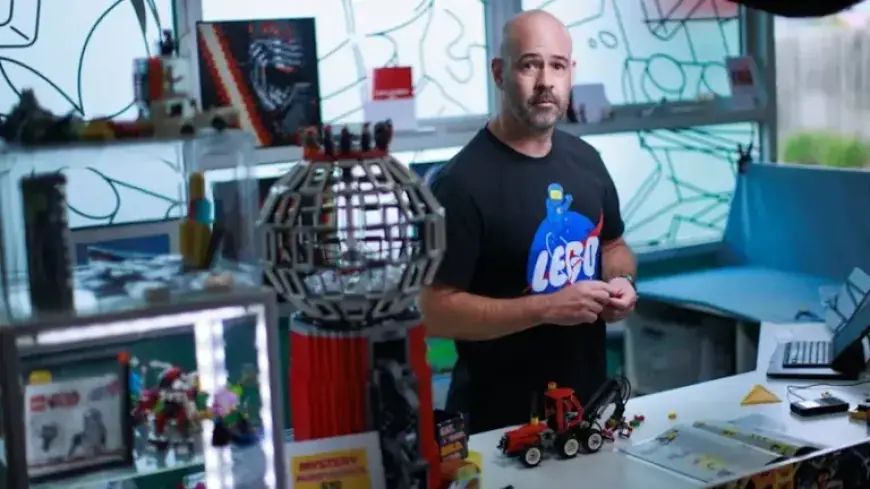
The toy market, once a realm of innocent play, is now a landscape rife with crime. Lego, a beloved children’s toy, has unexpectedly become one of the black market’s most sought-after commodities. This shift has prompted retailers to implement stringent security measures to safeguard their inventory.
Lego as a Black Market Commodity
Lego’s invulnerability to theft has shocked many. Retailers such as Kmart in Melbourne have implemented rigorous protocols to protect even basic sets. For instance, a simple Star Wars Lego kit, priced at just $12, must be escorted to the register by store staff. Valuable sets are sometimes replaced with plastic cards that customers must purchase at the customer service desk.
Security Measures on the Rise
Various retailers have reinforced their security to combat theft. Some shops have fortified their doors and windows, while installing metal shutters to prevent “ram raids.” A Kmart employee noted, “Lego just disappears if we don’t protect it.”
Criminal Operations and Large Seizures
- In March 2026, South Australian police confiscated $320,000 worth of Lego from a suburban garage linked to a theft ring.
- Earlier, in 2025, law enforcement seized another $250,000 of Lego from a separate criminal organization.
- Noteworthy incidents included a professional burglary at Brick Evolution in Cheltenham, where criminals purloined over 130 Lego sets.
The volume of stolen Lego underscores its aggressive demand. A former toy shop owner stated, “Criminals perceive Lego as a more inviting market than gold or stocks.” This perception drives organized crime to exploit Lego’s value.
Stolen Lego in Global Criminal Activity
In the U.S., authorities arrested three men after recovering a truck carrying $1.4 million worth of stolen Lego. Similar incidents reflect an alarming trend where Lego is frequently encountered during police operations against organized crime.
The Appeal of Stolen Lego
Much of the illicitly obtained Lego is sold through online platforms, often at significant discounts. Sellers frequently advertise “unopened” sets, leading buyers to unwittingly purchase stolen merchandise. The absence of unique serial numbers complicates efforts to identify legitimate products.
The Role of Retail Theft Data
Recent data indicates that about 60% of retail harm comes from only 10% of offenders. Chris Rodwell from the Australian Retail Council emphasized the need for focused action against habitual thieves.
The Future of Lego Security
In response to the escalating crisis, Lego’s distribution facility in Truganina has adopted high-security measures. Even damaged items are kept under lock and key to prevent their infiltration into the black market.
Despite the rising tensions surrounding toy theft, companies like Lego Group and Woolworths have opted to refrain from commenting on these issues publicly. The ongoing struggle highlights the delicate balance between an iconic toy and the criminal underworld—and raises questions about the future of retail security in the toy industry.