





















Samsung Galaxy S26 Ultra: Key Downgrade from S25 Ultra Explained

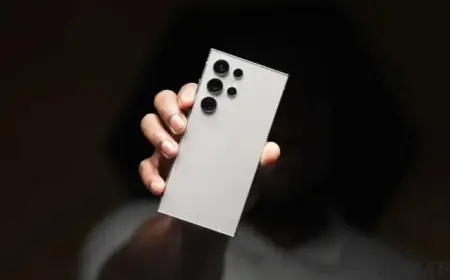
The Samsung Galaxy S26 Ultra has generated substantial buzz, but not all of it is positive. While this new flagship boasts impressive features, a notable downgrade from its predecessor, the S25 Ultra, has left many users questioning its premium quality.
Key Downgrade: Material Shift
One of the most significant changes in the Galaxy S26 Ultra is the switch from Titanium to Aluminum. Previously, the S25 Ultra was crafted from Titanium, providing a sense of luxury and durability that many consumers appreciated. The new Aluminum chassis, while lighter, lacks the same premium feel.
- Material used:
- S25 Ultra: Titanium
- S26 Ultra: Aluminum
- Weight difference: Just 4 grams
The use of Armor Aluminum may save weight, but it also diminishes the high-end experience expected at the $1,300 price point. Consumers buying premium phones often seek that feeling of solid craftsmanship. The S26 Ultra’s lightness has made it feel less substantial, akin to a toy rather than a professional tool.
Design Changes and Aesthetic Shift
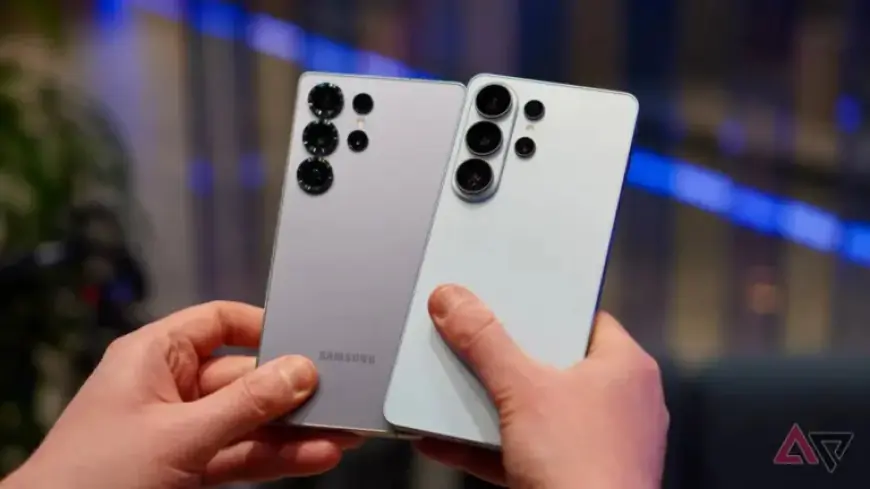
The design of the Galaxy S26 Ultra also reflects a shift from the sharp, uncompromising aesthetics that characterized the Ultra series. The corners have been rounded, aligning with the overall design of the S26 lineup. This change diverts from the authoritative look of the S25 Ultra, moving towards a more approachable design.
- Key design elements:
- S25 Ultra: Sharp, defined corners and flat edges
- S26 Ultra: Rounded corners and softer edges
Technical Specifications
Despite material and design downgrades, the Galaxy S26 Ultra still has robust technical specifications:
| Feature | Specification |
|---|---|
| SoC | Qualcomm Snapdragon 8 Elite Gen 5 |
| RAM | 12GB / 16GB |
| Storage Options | 256GB / 512GB / 1TB |
| Battery | 5,000mAh |
| Operating System | Android 16 / OneUI 8.5 |
| Front Camera | 12MP |
| Ports | USB-C |
Conclusion: A Mixed Reception
While the Samsung Galaxy S26 Ultra introduces innovative features such as the Privacy Display, the overall reception has been mixed. The downgrade in materials from Titanium to Aluminum has raised concerns about the device’s premium image. Samsung had an opportunity to highlight its luxury design against competitors like the iPhone 17 Pro, but instead, it opted for a more generic approach.
The shift in identity may leave traditional users of the Ultra series feeling unsatisfied. Ultimately, the S26 Ultra may struggle to establish itself as a leading flagship in a highly competitive market.