





















‘You, Me & Tuscany’ Box Office Influences Future Black Rom-Coms

Filmmaker Nina Lee recently highlighted the impact of box office performances on the future of Black romantic comedies. On March 25, she addressed a group of high school students in Atlanta. Frustrated by her own film, “That’s Her,” being stuck in post-production, she used social media to urge viewers to support “You, Me & Tuscany,” a film critical for the genre’s representation.
Box Office Influence on Future Black Rom-Coms
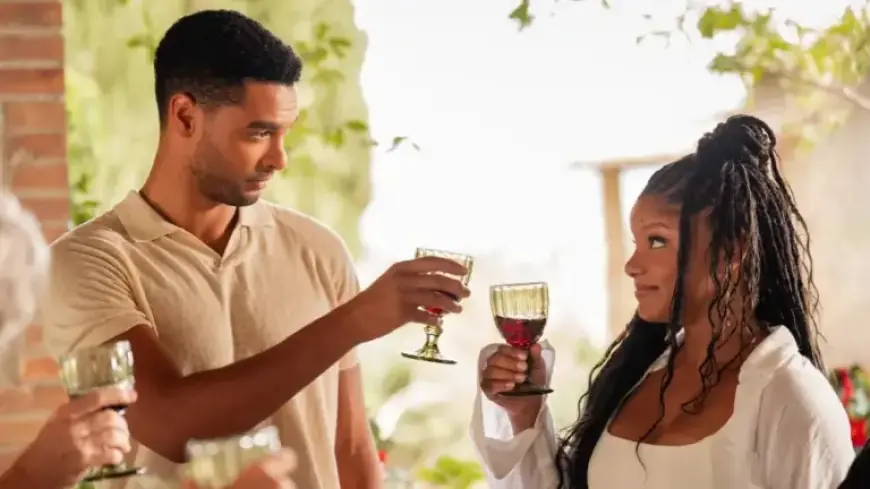
“You, Me & Tuscany,” currently screening nationwide, plays a pivotal role in shaping studio decisions for Black-led romantic comedies. Lee’s tweet gained significant traction, emphasizing that studios would gauge their investment in her completed project based on the box office success of this film.
Lee pointed out that multiple executives told her they would not finance her rom-com until they evaluated the performance of “You, Me & Tuscany.” In her post, she encouraged audiences to support this film, stating, “Go see this film!” The tweet has resonated widely, generating over half a million views.
The Context of “You, Me & Tuscany”
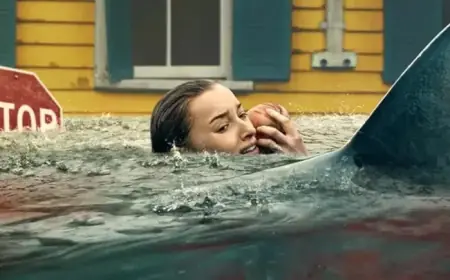
This film, produced by Will Packer, features Grammy-nominated Halle Bailey as a young cook who discovers romance and adventure in Tuscany. The narrative follows the familiar tropes of romantic comedies but emphasizes the significance of its performance at the box office.
Packer, known for hits like “Girls Trip,” is cognizant of the immense pressure resting on this project. He conveyed that past Black filmmakers have faced similar scrutiny over whether their films succeed financially, impacting future opportunities for minority-led projects.
The Industry’s Stance on Diversity
Dr. Ana-Christina Ramón of UCLA’s Hollywood Diversity Report noted that Hollywood often overlooks data showing strong audience support for Black-led films. In her analysis, BIPOC (Black, Indigenous, and People of Color) men and women represented significant audience shares in recent years, contrary to industry beliefs that such films may not attract a diverse viewer base.
- For films to succeed, they need:
- A compelling story.
- Strong production and marketing support.
- Wide theatrical distribution.
According to Dr. Stacy L. Smith, the challenges film executives face include staying connected with the changing demographics of audiences. As more than 40% of the U.S. population identifies as non-white, studios must recognize these shifts to thrive.
Challenges for Black Filmmakers
Filmmaker Nina Lee articulated frustrations regarding constantly moving goalposts for Black directors. She shared her concern over an industry that adjusts its expectations and opportunities based on the success or failure of similar films. Despite the hard work and quality behind her project “That’s Her,” she feels at the mercy of external judgments.
With the upcoming premiere at the American Black Film Festival, Lee hopes her film will grab attention and break through industry barriers. She emphasized the importance of diverse storytelling in cinema, stating, “Our stories matter.” The outcome of “You, Me & Tuscany” could very well dictate the future opportunities for Black romantic comedies in Hollywood.