



















Amazon Discontinues Support for Pre-2012 Kindles

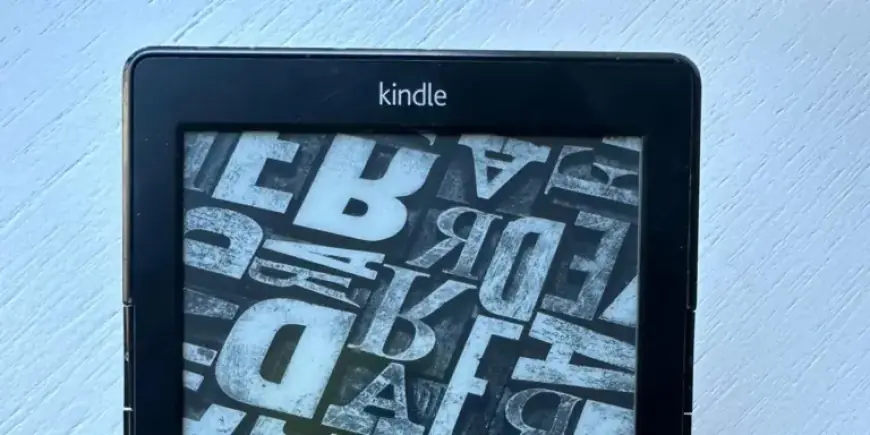
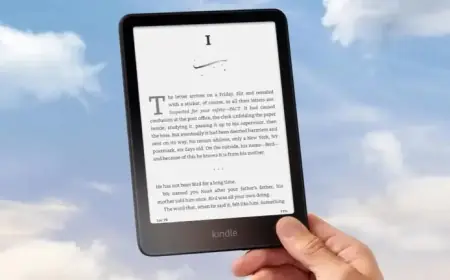
Amazon recently announced it will discontinue support for Kindle devices released before 2012. This change takes effect on May 20, 2026. Users of these older models will no longer be able to purchase, borrow, or download new books.
Impact on Older Kindle Users
Kindle models affected by this decision include:
- Kindle 1st Generation
- Kindle 2nd Generation
- Kindle DX and DX Graphite
- Kindle Keyboard
- Kindle 4
- Kindle Touch
- Kindle 5
- Kindle Paperwhite 1st Generation
Users can still read previously downloaded books. However, if they choose to deregister or perform a factory reset, re-registration will not be possible.
Previous Experience with Older Models
Many loyal Kindle users cherish older models for their physical buttons. For instance, the Kindle 5, known for its button navigation, remains a favorite among some readers, particularly left-handed ones. Newer models have a touchscreen interface, which can be less convenient for those accustomed to tactile buttons.
Alternatives for Content Management
While Amazon has officially halted support, some users may find alternative methods to add content to their devices. Options might include:
- Sending files to the Kindle email address
- Using a USB connection to transfer files directly
However, these methods may require more user effort and comfort with technology. Some users might explore unofficial methods, although these can involve complexities such as jailbreaking, which may not appeal to everyone.
Reasons Behind the Decision
Amazon has not provided specific reasons for discontinuing support. However, phasing out outdated technology is not uncommon in the tech industry. Supporting older devices often demands resources that companies prefer to allocate towards newer models. This decision underscores a trend of planned obsolescence in technology.
Looking Ahead
As the discontinuation date approaches, users of pre-2012 Kindles may consider upgrading. Options in the e-reader market vary, and newer models offer advanced features. For those reliant on the convenience of e-reading, transitioning may be necessary, even though it can be met with reluctance.
In the end, the allure of modern technology must be balanced against nostalgia for beloved devices that have served readers for many years.