



















DOJ’s NFL Probe: Impact on Networks and Fans Explained

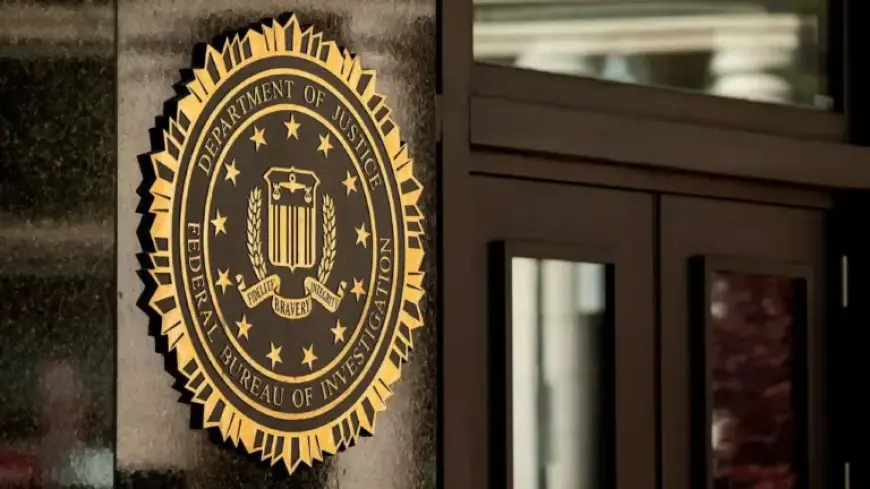
The NFL is preparing to renegotiate media contracts amid a federal investigation into its broadcast rights practices. The Department of Justice (DOJ) has launched a probe, raising concerns about the league’s impact on consumers and rising costs. With the NFL’s preference for subscription streaming services, lawmakers and fans fear for affordability.
Overview of the DOJ Investigation
The DOJ’s inquiry investigates whether the NFL’s tactics in selling broadcast rights violate antitrust laws. The league enjoys a limited exemption under the Sports Broadcasting Act of 1961, which allows it to bundle game rights for broader audience reach.
Current Broadcast Landscape
- Major networks airing NFL games include ESPN/ABC, NBC Sports, CBS Sports, Fox Sports, and Prime Video.
- Some games also require subscriptions on platforms like Netflix and ESPN+,
- Local stations continue to provide free access to games within their respective markets.
Financial Implications for Networks
The NFL’s current broadcast agreements yield over $10 billion annually, running until 2033. Fox Corporation leads with more than $2 billion for its Sunday afternoon games, but plans to opt out after the 2029 season. The investigation could significantly influence these negotiations.
Responses from the NFL and Media Companies
The NFL expressed confidence in its model, asserting that nearly 90% of its games remain on free television. Internal sentiments suggest surprise at the DOJ’s scrutiny, particularly among NFL executives. Previous media partnerships hint at potential complications as the NFL looks towards renegotiating agreements.
Legislative Context
- The DOJ probe coincides with growing bipartisan concerns from lawmakers, such as Senator Elizabeth Warren and Congressman Patrick Ryan.
- Calls to repeal the Sports Broadcasting Act indicate a significant shift in how the NFL’s rights might be viewed legally.
Future Challenges for the NFL
As the league navigates potential changes, it must balance revenues with fan access. The current debate may alter how future broadcasts are structured, especially as streaming popularity rises. More than 80% of last year’s most-watched TV events were NFL games, underscoring the league’s market significance.
In conclusion, the DOJ’s probe adds a layer of complexity to NFL’s media negotiations. As stakeholders prepare for the future, the impact on fans and networks alike remains uncertain.