





















Bank of England Warns: Surge Pricing May Hit Local Supermarkets


The Bank of England has warned that supermarkets may adopt dynamic pricing. This could let grocers raise prices when demand surges.
What the Bank said
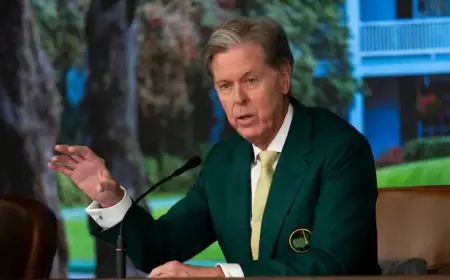
Clare Lombardelli, deputy governor for monetary policy, highlighted digital pricing trends. She said digitalisation has cut traditional “menu costs” for changing listed prices.
The Bank reports that one in five firms currently use market-responsive pricing tools. That share is expected to rise to about a third.
How retailers could change prices
Retailers are not widely using surge pricing yet. They are rolling out electronic shelf labels and digital price displays instead.
Morrisons will soon fit digital displays across all 497 of its supermarkets. These systems make rapid price changes technically simple.
Industry reaction and concerns
MPs would likely challenge any move to widespread dynamic pricing. Food is an essential item, which raises political sensitivities.
The British Retail Consortium says it has no formal policy on dynamic pricing. It expects grocers to clarify their plans in the near future.
Market and consumer pressures
Consumers already worry about rising fuel costs feeding into broader inflation. Disruptions to supply linked to the Iran war have pushed some prices higher.
Supporters of change argue consumers accept price falls and can choose when to shop. Critics warn essential goods deserve stronger protections.
Voices from the market
Clive Black of stockbroker Shore Capital noted the current costs of changing prices. He said replacing shelf tags and signage is expensive across many stores.
Black added that the initial reason for digital displays is operating efficiency. He said dynamic pricing remains a longer-term possibility for retailers.
Where dynamic pricing already appears
Shoppers encounter variable pricing on platforms like Amazon and ride services such as Uber. Airlines and concert promoters also use similar models.
Sporting events have applied dynamic pricing too. For the 2026 World Cup, ticket prices ranged from $60 (£48) to $10,990 (£8,197).
Current consumer-facing examples
Some supermarkets already lower prices on items nearing their sell-by dates. This practice resembles a basic form of dynamic pricing.
Advocates say such measures help budget-conscious shoppers. Opponents argue broader surge pricing could harm vulnerable households.
The debate now centers on whether Bank of England concerns about surge pricing and local supermarkets will prompt regulation or industry restraint.