

























El Niño Shapes Upcoming Hurricane Season Forecast

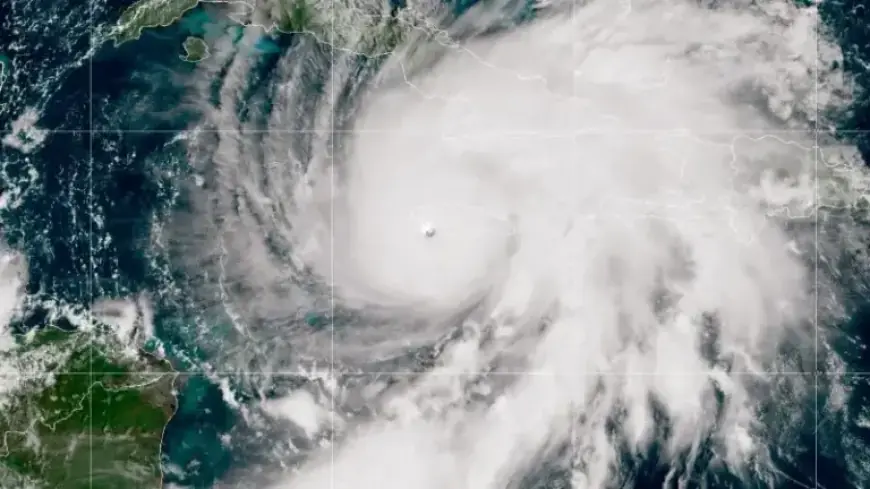
As spring unfolds, hurricane season predictions are already making waves. The season, which runs from June to November, may look different this year due to an emerging El Niño phenomenon. According to researchers at Colorado State University (CSU), this season is expected to be slightly below average, with a forecast of 13 named storms, including six hurricanes. Notably, they anticipate two of these hurricanes could escalate to Category 3 or higher.
El Niño’s Influence on the Hurricane Forecast
This prediction aligns with CSU’s historical data, referencing that only one Atlantic hurricane season since 2016 has concluded with a below-average number of storms—2025. Last year’s active season featured 13 named storms, including the devastating Category 5 hurricane, Melissa, which impacted Jamaica.
CSU experts, led by senior research scientist Phil Klotzbach, have pinpointed El Niño as the “dominant factor” influencing this year’s hurricane activity. The La Niña conditions observed since last fall have transitioned to neutral criteria. Forecasts suggest that the El Niño pattern will strengthen in spring and become prevalent by mid-summer, coinciding directly with the peak hurricane season that spans from mid-August to mid-October.
Understanding El Niño and Its Impacts
El Niño is characterized by warmer water temperatures in the equatorial Pacific, which alters global weather patterns. These fluctuations can significantly affect storm formation in the Atlantic basin.
- Wind Shear: El Niño conditions generate increased wind shear, which can inhibit storm development.
- Storm Activity: While typically associated with decreased storm activity, El Niño does not guarantee a quiet season. For instance, last year’s conditions favored significant storm development despite wind shear.
Current Sea Temperature Trends
Current ocean temperature readings provide mixed signals about the upcoming hurricane season. Warmer than average temperatures in the western tropical Atlantic may suggest a busier season. Conversely, cooler temperatures in the central and eastern regions could imply reduced activity.
Key points regarding ocean temperatures include:
- Warmer waters near the Caribbean often correlate with active hurricane seasons.
- Cooler temperatures can lead to quieter patterns, typically associated with decreased storm formation.
- The timing of when waters heat is critical for storm energy; peak temperatures are expected around early September.
Potential for Storm Intensification
Recent studies show that warmer oceans are linked to rapid storm intensification. For example, four hurricanes from last year ramped up swiftly, with three escalating to Category 5. El Niño’s effect could diminish if ocean temperatures exceed expectations, increasing the likelihood of a busy hurricane season.
As Klotzbach emphasizes, the dynamics of the upcoming hurricane season remain fluid. There is substantial time for conditions to evolve as we approach peak activity in late summer and early fall.