

























Artemis II Astronauts Capture Images with 2014 DSLR and Older GoPros

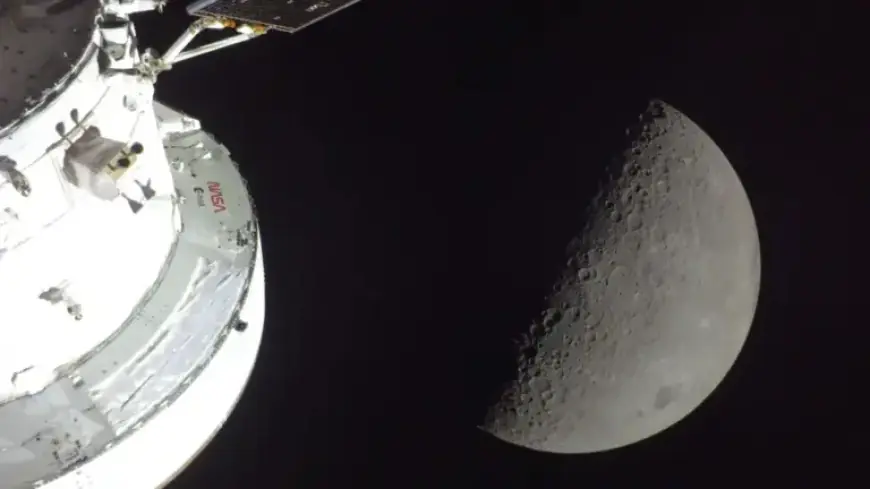
NASA’s Artemis II mission is utilizing a mix of older camera technology alongside cutting-edge equipment. Despite having advanced capabilities, the mission’s camera lineup includes a notable artifact: the GoPro Hero4 Black, which first hit the market in 2014.
Artemis II Camera Technology
The Artemis II spacecraft boasts a total of 32 cameras, each serving unique purposes. Among these, at least one camera is the GoPro Hero4 Black, revealed through metadata from images sent back to Earth.
Camera Specifications
- GoPro Hero4 Black: Launched in October 2014, offers 4K video at 30fps and 12MP stills.
- Nikon D5: A ten-year-old DSLR camera serves as the mission’s primary camera.
- Nikon Z9: A more recent mirrorless camera, deployed just before the mission’s launch.
- iPhone 17 Pro Max: Also contributes to the image collection for the mission.
Challenges in Space Photography
Capturing images in space poses unique challenges. Cameras must endure harsh conditions such as microgravity, radiation, and extreme temperature fluctuations. Special modifications are required to ensure they function reliably during re-entry and throughout the mission.
Camera Locations on Orion
Cameras are strategically placed both inside and outside the Orion spacecraft. Four modified GoPro cameras are mounted on the solar array wings, providing stunning external views of the moon and Earth. Inside the Orion, additional cameras document the daily experiences of the crew.
The Legacy of Older Cameras
The decision to use older cameras like the Hero4 Black is based on their proven reliability in space environments. NASA has engaged in previous missions with this equipment, ensuring they can withstand the rigorous demands of spaceflight.
NASA’s Ongoing Partnerships
Nikon has partnered with NASA to develop modified versions of their Z9 model since 2024, initially intended for Artemis III. It remains unclear if the Z9 aboard Artemis II is one of these modified versions.
Conclusion
The use of older camera technologies in the Artemis II mission illustrates that quality imaging can arise from proven equipment. This approach can offer reassurance to photographers who may feel pressured to continually upgrade their gear. The success of capturing breathtaking images—such as those of the moon—underscores the idea that effective photography relies on skill and familiarity with one’s equipment, rather than solely the latest technology.