

























Scientists Uncover Spice Blend Enhancing Anti-Inflammation by 100x

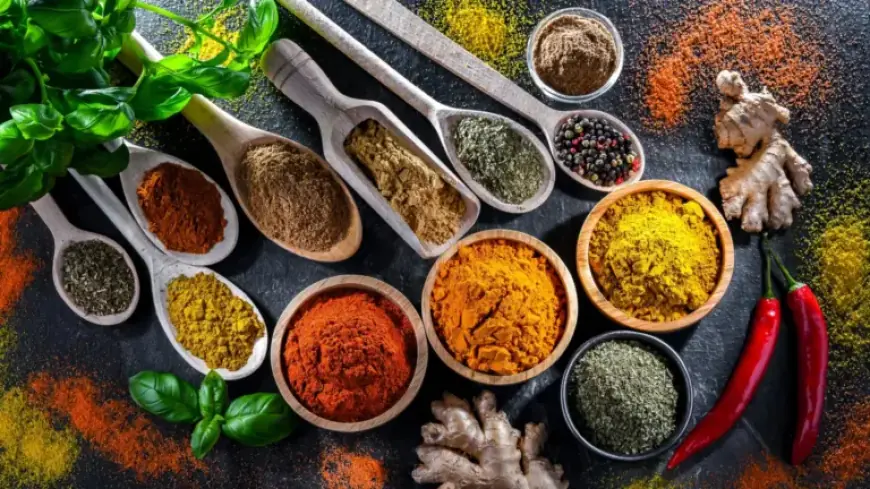
Chronic inflammation is a subtle yet serious health concern. It can lead to conditions like diabetes, heart disease, obesity, and even cancer. This process involves immune cells releasing signals in response to injury or infection. Our diet plays a crucial role in mitigating inflammation, as many foods contain phytochemicals that influence inflammatory pathways.
Understanding the Role of Spices in Reducing Inflammation
Recent research has shed light on the synergy between plant-based compounds. Despite their traditional use, scientists have struggled to validate how these compounds reduce inflammation in real-world settings. Many studies indicate that while individual plant compounds may exhibit anti-inflammatory properties, the required dosages are often impractical in an everyday diet.
Research Findings from Tokyo University of Science
A study led by Professor Gen-ichiro Arimura at the Tokyo University of Science explored how combinations of plant-derived compounds influence inflammation. Their findings were published in the journal Nutrients, emphasizing the effects of compounds from mint, eucalyptus, and chili peppers.
- Research Focus: Analyzing the interactions between several plant compounds in immune cells.
- Tested Compounds: Menthol (mint), 1,8-cineole (eucalyptus), capsaicin (chili peppers), and β-eudesmol (hops and ginger).
Investigating Anti-Inflammatory Effects
The researchers focused on macrophages, immune cells responsible for inflammation. They simulated inflammatory responses using lipopolysaccharide, then treated the cells with different plant compounds. By employing gene expression analysis, protein measurements, and calcium imaging, they monitored the effects of these treatments.
Capsaicin emerged as the most potent anti-inflammatory compound when tested alone. However, the most compelling results came from combinations of the compounds:
- Synergistic Effects: Pairing capsaicin with menthol or 1,8-cineole resulted in a dramatic increase in anti-inflammatory efficacy.
- Mechanism of Action: Menthol and 1,8-cineole impacted inflammation through TRP channels, while capsaicin activated different pathways.
Implications for Dietary Choices and Health Products
The findings suggest that combining plant compounds could yield significant health benefits, even at lower consumption levels typical of everyday diets. This highlights the potential for creating functional foods, dietary supplements, and seasonings that offer enhanced health advantages with minimal active ingredient quantities.
Ultimately, the research indicates that the advantages of a plant-rich diet may not stem from isolated ‘super compounds’ but rather from how these ingredients work together to bolster health.
Future Directions
While further animal and human studies are necessary to confirm these effects, this research opens new avenues for understanding the relationship between common foods and chronic inflammation. Enhanced insights could significantly impact our long-term health.
About Professor Gen-ichiro Arimura
Professor Gen-ichiro Arimura leads the study as part of his research in biological communications and plant ecology at the Tokyo University of Science. With a Ph.D. from Hiroshima University, he has authored over 130 peer-reviewed papers and holds multiple patents. His recent award from the International Society of Chemical Ecology underscores his contributions to the field.
Funding Information
This research received partial support from the Japan Society for the Promotion of Science (JSPS) KAKENHI and Tokyo University of Science Research Grants.