






















Asian Airlines Adjust Schedules, Carry Extra Fuel Amid Tightening Supplies

Airlines across Asia are facing significant challenges due to rising fuel costs and tightening fuel supplies. In response to these pressures, carriers are adjusting their flight schedules, carrying extra fuel from their home bases, and adding refueling stops on certain routes.
Impact of Middle East Conflicts on Jet Fuel Supply
The conflicts in the Middle East have severely impacted the global supply of jet fuel. With the closure of the Strait of Hormuz, nearly 21% of the global seaborne jet fuel supply has been jeopardized. This situation has led airlines in Asia, Europe, and Africa to rethink their fuel strategies in order to manage their operations effectively.
Airlines’ Strategies to Counter Fuel Shortages
- Carrying extra fuel from origin airports has become a common practice.
- Many airlines are adding refueling stops to longer routes to ensure operational integrity.
- Some airlines have reduced capacity to manage fuel availability.
AirAsia X has begun loading additional fuel in Malaysia before flights to Vietnam due to limitations imposed by Vietnamese authorities. According to CEO Bo Lingam, the restrictions have necessitated these adjustments to maintain service levels.
Regional Responses to Jet Fuel Rationing
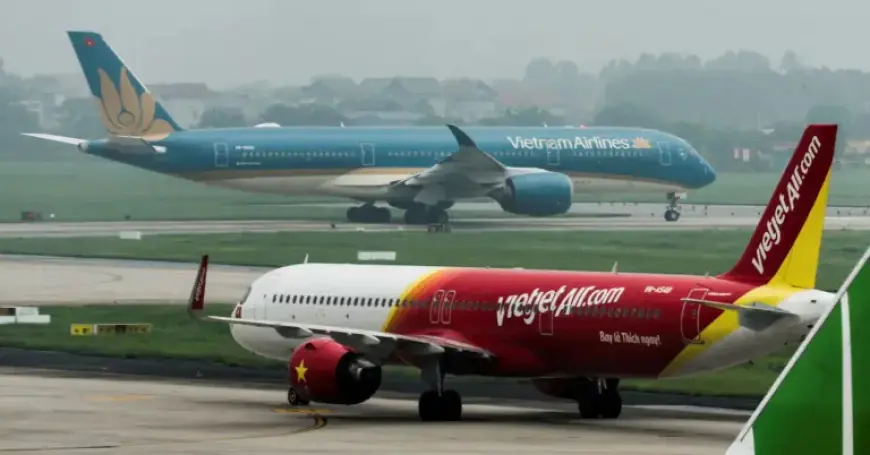
In Vietnam, airlines are adapting by cutting domestic flights, with Vietnam Airlines recently suspending 23 flights each week to conserve fuel. Similarly, airlines in Myanmar suspended operations earlier this month due to shortages, while Air India has added refueling stops to its routes impacted by restrictions around Yangon airport.
Economic Implications of Rising Fuel Prices
The doubling of jet fuel prices since the beginning of the Iran conflict has compelled some carriers to raise fares and impose fuel surcharges. Batik Air Malaysia has made drastic cuts, reducing domestic capacity by 36% as a proactive measure to minimize operational risk.
Despite these adjustments, demand in Asia has not declined sufficiently to match the fall in jet fuel supply. Analysts estimate that approximately 400,000 barrels per day of jet fuel production in the Asia-Pacific region has been adversely affected during the ongoing crisis.
Future Considerations for Airlines
Industry experts warn that demand destruction could become more pronounced in the latter half of the year due to economic slowdowns induced by the rising cost of fuel. With current flight cancellations affecting demand minimally, deeper cuts may soon be necessary as airlines continue to navigate this challenging environment.
The situation underscores the urgent need for airlines to adapt their operations while keeping an eye on market trends to ensure they remain viable amidst rising operational costs and tightening fuel supplies. For more updates on the airline industry’s response to fuel challenges, visit Filmogaz.com.