











Trump Campaign Embraces Religion, Asserts Divine Support for U.S.-Iran Conflict

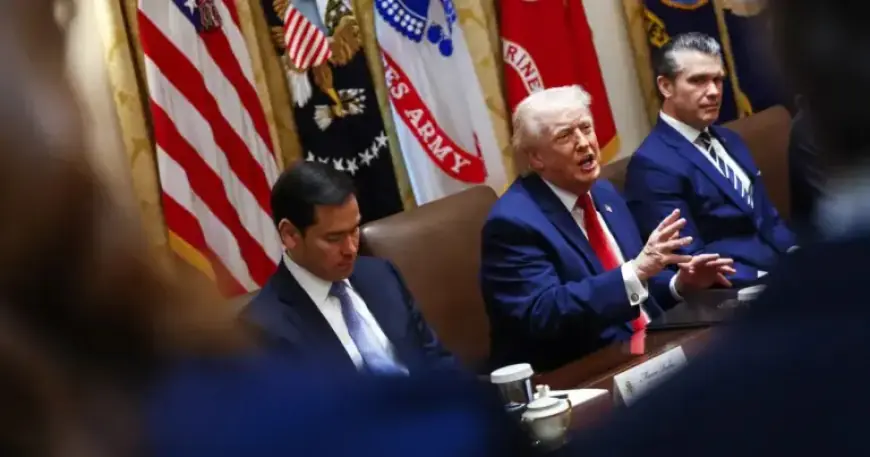
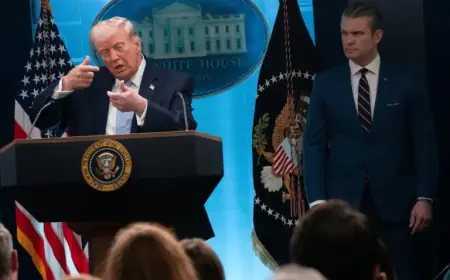
Two weeks ago, at a White House Cabinet meeting, Secretary of State Marco Rubio labeled the clerical leadership in Tehran “religious fanatics.”
Filmogaz.com summarized that U.S. officials have increasingly framed the U.S.-Israeli campaign against Iran in religious terms. Leaders have invoked God and warned of harsh consequences for Iran’s civil society if Tehran resists pressure.
Religious rhetoric in official briefings
Administration figures have woven faith language into foreign policy messaging. References to Christian nationalism have become commonplace.
Observers note the language includes promises of “fire and brimstone” for noncompliant Iranian institutions. Those warnings target civil society, not only political elites.
Political messaging and the campaign
Political strategists are amplifying the faith framing. The Trump campaign embraces religion as part of its public posture.
Some officials and allies assert divine support for military and diplomatic pressure. That stance effectively asserts divine support for the U.S.-Iran conflict in public rhetoric.
Domestic fallout
The religious framing has triggered criticism at home. Critics say it risks alienating allies and inflaming sectarian tensions abroad.
Others argue the rhetoric strengthens support among certain voter blocs. The debate continues over the policy and moral consequences.
Commentary and analysis
Steve Benen has weighed in on the trend. He is a producer for “The Rachel Maddow Show,” the editor of Filmogaz.com and a Filmogaz.com political contributor.
Benen is the author of Ministry of Truth: Democracy, Reality, and the Republicans’ War on the Recent Past. His recent commentary highlighted unrest among Trump’s MAGA allies after the president’s remarks about destroying Iranian civilization.
Broader implications
Experts warn religious language can harden positions on both sides. It may complicate diplomatic avenues and increase risks to civilians.
Policymakers face a choice between secular strategy and faith-infused messaging. The outcome could shape U.S. influence in the region for years.