



















Trump’s Iran Rescue Boasts Confuse Top Advisors

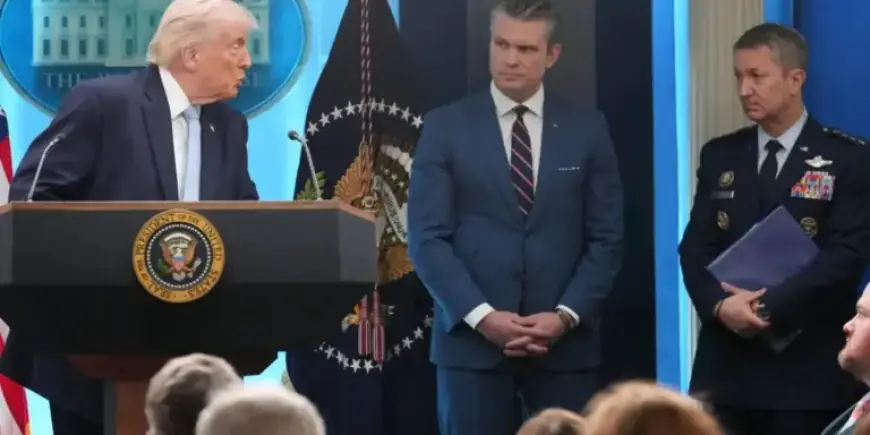
The United States recently undertook a complicated rescue operation to extract a downed fighter jet crew from Iran. President Donald Trump, along with defense officials, provided detailed insights into this operation, which involved extensive military resources and covert CIA technology.
Details of the Rescue Operation
The rescue mission aimed to recover an F-15E Strike Eagle pilot and his weapons systems officer after their aircraft was shot down by Iranian forces. The operation began late Thursday and was executed swiftly. Within hours, U.S. forces confirmed the pilot’s location and began their rescue efforts. The pilot, identified by his call sign Dude-44 Alpha, was successfully rescued soon after the jet’s crash.
Challenges Faced During the Mission
- The weapons systems officer, known as Dude-44 Bravo, was rescued nearly two days later.
- The rescue operations faced heavy enemy fire, particularly during daylight hours.
- An A-10 Warthog, engaged in the operation, sustained damage but managed to safely eject the pilot into friendly territory.
Despite the immediate success in locating the pilot, the second aviator’s recovery proved more complex. Local Iranian media actively encouraged residents to capture and report the downed airman, leading U.S. intelligence to implement a deceptive strategy to mislead Iranian search efforts.
Utilization of Advanced Technology
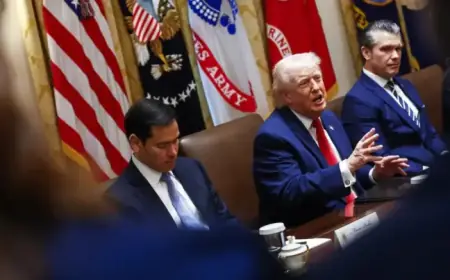
According to CIA Director John Ratcliffe, the agency employed advanced technologies unique to the U.S. intelligence community for locating the stranded airman. The CIA’s operation is characterized as akin to locating a grain of sand in a vast desert. Explaining the crucial moments leading up to the recovery, Trump revealed that intelligence officials tracked a moving object in the mountains for 45 minutes before confirming it was indeed the missing aviator.
Successful Extraction
On Sunday, a fleet of drones and strike aircraft supported the final extraction efforts. Upon arrival, helicopters transported the downed airman, while U.S. forces destroyed remaining equipment to prevent Iranian acquisition. The operation involved a high degree of planning and coordination among various U.S. military and intelligence agencies.
Conclusion and Reflections
This daring mission showcased the challenges and intricacies of conducting military operations in hostile territory. President Trump’s bold declarations of the operation’s success highlighted the cooperation among defense agencies, although details of personnel involvement remained classified. Overall, the mission demonstrated the U.S. commitment to safeguarding its military personnel even under perilous circumstances.