
























Dev Hails Breakthrough Achievement in PS3 Emulation

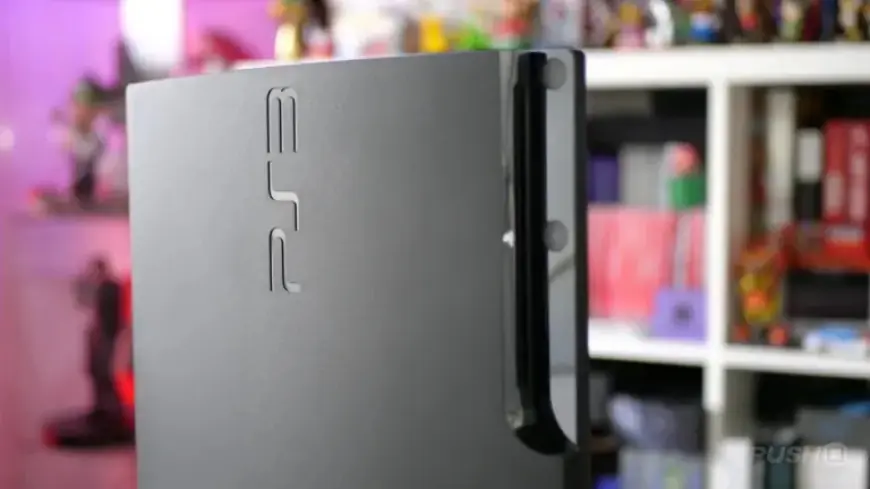
The emulation of older video game consoles has been evolving rapidly, but the PlayStation 3 (PS3) remains a challenging platform to emulate. This complexity primarily stems from its advanced architecture, particularly its Cell processor. However, RPCS3, a popular PS3 emulator, has recently announced significant progress in this area.
Breakthrough in PS3 Emulation
The RPCS3 development team has reported a major “breakthrough” concerning the emulation of the PS3’s Cell CPU. Programmer Elad has identified new patterns in the usage of the Synergistic Processing Units (SPUs) that enhance the efficiency of the emulator. This advancement allows for generating more optimized PC code, which benefits all PS3 titles.
Performance Improvements in Twisted Metal
This breakthrough has made an immediate impact, especially on resource-intensive games like Twisted Metal. Users can expect an average frame rate improvement of 5-7% for this title. Moreover, the team mentions they are nearing the ability to achieve 60 frames per second (fps) on high-end hardware, compared to the original PS3 performance of 30 fps.
Developer Reaction
James Stanard, a key developer behind the original Twisted Metal, praised the RPCS3 team for their remarkable achievements. He highlighted the complexity of the SPU code, stating that he wrote about 90% of it himself. This complexity presented challenges that led him to believe emulation might never be possible.
Future of PS3 Game Preservation
The advancements in PS3 emulation hold significant implications for game preservation. As developers enhance the emulator, players may not need the original hardware to enjoy classic titles. Additionally, there’s speculation regarding the possibility of Sony developing its own emulator. The team behind PlayStation’s classics catalog, known as Implicit Conversions, has been exploring this opportunity.
Conclusion
RPCS3’s latest innovations in PS3 emulation signify a promising future for both players and developers. With increased performance and potential support for future titles, fans of the PlayStation ecosystem can look forward to easier access to nostalgic games.