



















Report Reveals AI Not to Blame for California’s Creative Job Losses

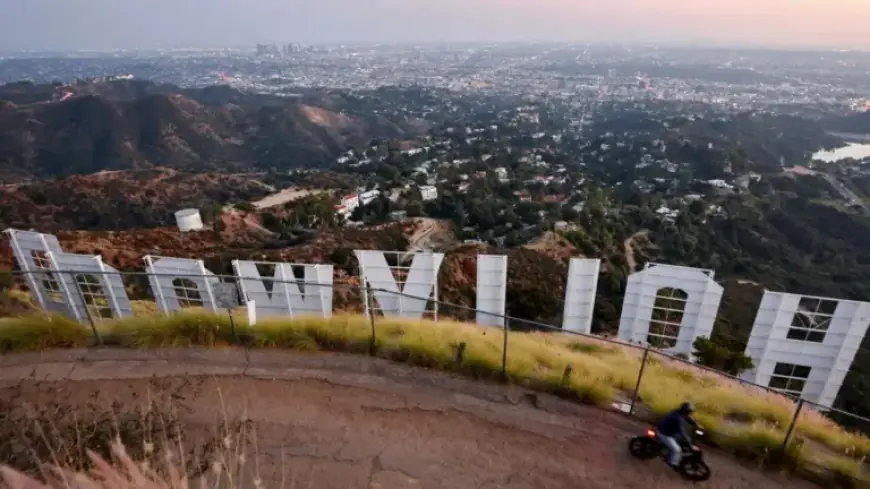
California’s creative economy has faced significant job losses, leading to concerns about the impact of artificial intelligence (AI) within the industry. However, a recent report from Otis College of Art and Design suggests that AI is not the primary driver of these losses. Instead, it highlights the restructuring efforts of Hollywood and economic factors as the main culprits.
Key Findings from the Report
Released on April 7, the report, titled “Creative Disruption: AI and California’s Creative Economy: 2022–2025,” analyzed job trends within various creative sectors. Co-authors Patrick Adler and Taner Osman utilized public data, quantitative analyses, and qualitative assessments through interviews with industry professionals to compile their findings.
Job Loss Statistics
The report reveals that California’s creative economy lost approximately 14% of its jobs between 2022 and 2025, totaling about 114,000 positions. The most affected sectors include:
- Film, television, and sound – nearly 30% job decline
- Traditional media – nearly 34% job decline
Interestingly, professions closely tied to AI, such as writers and software developers, have not seen reductions in job postings. Instead, these roles have increased as the demand for creative work evolves.
Underlying Factors for Job Loss
According to the research, the job losses primarily stem from a combination of factors:
- Cost-driven displacement of lower-paying roles
- Structural changes affecting creative sectors more than other regions
Many individuals in lower-paying jobs have left California due to the high cost of living, while budget cuts post-“Peak TV” have further strained the industry.
AI’s Role in Creative Work
While AI was expected to displace jobs, the report indicates that its integration into creative processes has mostly affected specific tasks rather than entire positions. Many workers express that no one reported AI replacing their entire role. Instead, AI is used for well-defined activities such as rotoscoping in postproduction, which often necessitates human oversight to ensure quality.
Impact on Creative Standards
Some industry professionals report that AI’s involvement is leading to lower quality expectations. A creative director remarked, “At a certain point, you just have to say it’s good enough,” which signals a potential threat to creative standards. Additionally, some creatives feel increased pressure to automate tasks rather than collaborate with human colleagues.
Recommendations for the Industry
The report suggests that creative organizations should carefully implement AI tools, acknowledging the skepticism that workers may hold. Establishing policies such as firing freezes could encourage workers to explore AI without fear of job loss. The authors believe that greater trust in AI could lead to deeper and faster adoption in creative environments.
In summary, while AI is certainly transforming creative workflows, the losses in California’s creative job market stem largely from economic shifts and structural changes rather than technology-driven displacement. As the industry adapts, fostering a positive relationship with AI could enhance productivity and innovation in the coming years.