





















Supreme Court Victory May Overturn Steve Bannon’s Contempt of Congress Conviction

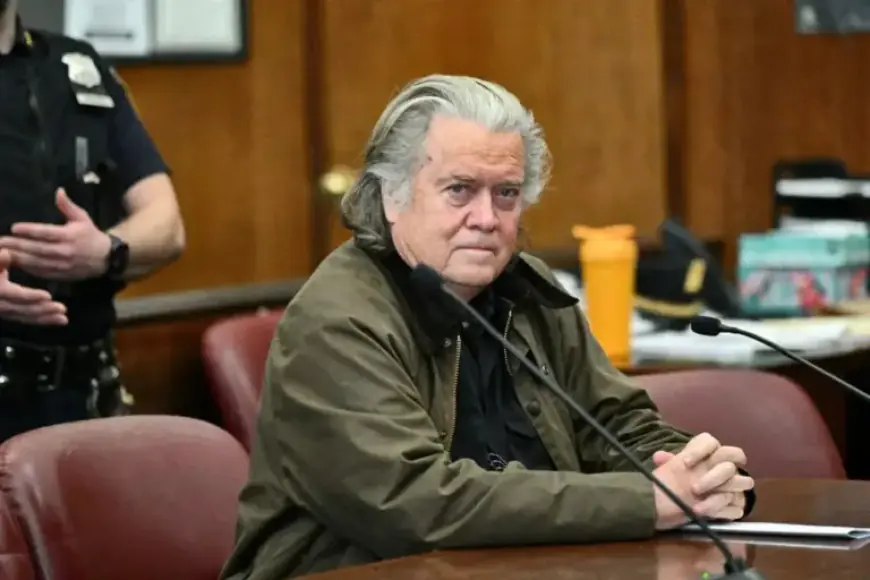
In a significant legal development, the U.S. Supreme Court has issued an order that may lead to the dismissal of Steve Bannon’s conviction for contempt of Congress. This ruling, delivered on Monday, reverses a previous appellate decision that upheld Bannon’s conviction for not responding to a subpoena from the House committee investigating the January 6, 2021, Capitol insurrection.
Background on Steve Bannon’s Case
Steve Bannon, a close associate of former President Donald Trump, had been convicted in 2022 for defying congressional authority. After serving a four-month prison sentence, he sought to challenge the validity of his conviction. The Supreme Court’s recent order opens the door for a trial judge to consider a motion from Bannon’s legal team to dismiss the case “in the interests of justice.” While this dismissal would be largely symbolic, it marks a crucial turn in his ongoing legal battles.
Details of the Supreme Court Ruling
- Date of Ruling: Monday, recent announcement by the Supreme Court.
- Case Focus: Bannon’s refusal to testify before Congress.
- Outcome: Opportunity for lower courts to dismiss the conviction.
The Supreme Court’s decision not only applies to Bannon but also to former Cincinnati Councilman P.G. Sittenfeld, who had been pardoned by Trump in the previous year. Sittenfeld served 16 months in federal prison following a conviction for bribery and attempted extortion before he was pardoned.
Implications of the Ruling
Previously, the Justice Department initiated Bannon’s case during President Joe Biden’s administration. However, there was a shift in strategy after Trump regained office. Bannon initially claimed that his testimony was shielded by Trump’s declaration of executive privilege. Yet, the Justice Department and the House committee argued that this claim was questionable, particularly since Bannon had been dismissed from the White House in 2017.
Other Legal Matters Involving Bannon
Additionally, Bannon has pleaded guilty in a separate New York state case related to defrauding donors who contributed to a private initiative aimed at constructing a wall on the U.S.-Mexico border. This particular conviction remains unaffected by the Supreme Court ruling.
This unfolding situation illustrates the complexities of political and legal intersections in America. As developments continue, the case of Steve Bannon presents an essential study of accountability and power dynamics within political structures.