






















Nikon D5 DSLR: The Best Camera for Artemis II Mission

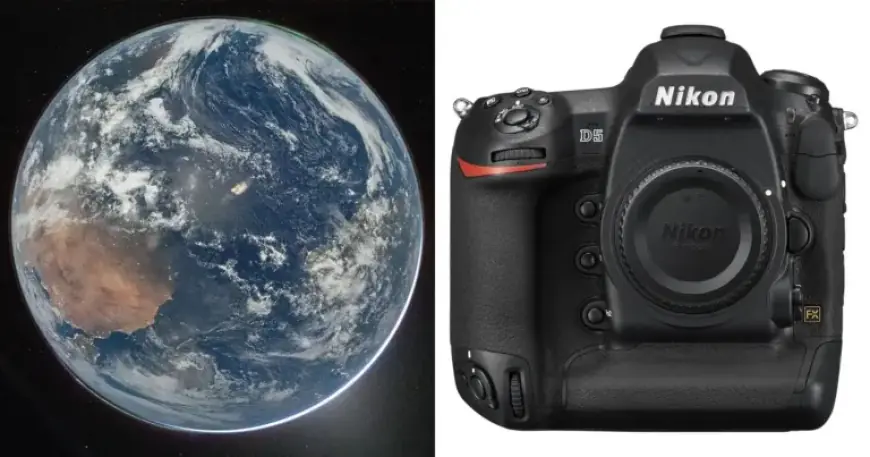
The Artemis II mission, part of NASA’s ambitious Artemis program, showcases the incredible power of photography in space exploration. As the astronauts embark on their mission, they brought along a unique piece of equipment: the Nikon D5 DSLR. This camera, while older technology, is perfect for the challenges presented by capturing images in the dark abyss of space.
Nikon D5 DSLR: A Proven Performer
Launched in January 2016, the Nikon D5 was designed for exceptional low-light performance. It has a maximum ISO rating of 3,280,000, making it the best high ISO performer among all Nikon digital cameras. Despite its age, the D5’s durability and reliability in harsh environments make it a trusted choice for NASA.
- Release Date: January 2016
- Maximum ISO: 3,280,000
- Key Features:
- Excellent low-light capabilities
- Rugged design suitable for space
Why Choose Nikon D5 for Artemis II?
The primary concern for the Artemis II crew was to capture high-quality images of the Moon. Although the newer Nikon Z9 is on board with more megapixels, it lacks the low-light proficiency of the D5. This is crucial, as space can be exceptionally dark, especially when photographing the lunar surface.
During a recent photo session, astronaut Reid Wiseman used the D5 to capture stunning images at ISO 51,200 with a shutter speed of just 1/4s. This ability to perform in low-light conditions sets the D5 apart from newer models.
Supporting Technology for the Mission
The astronauts also packed several lenses, including the classic Nikkor 35mm f/2 AF-D. While it may not be the latest model, its reliability in space adds to the mission’s visual goals. The crew comprises experienced astronauts: Reid Wiseman, Victor Glover, Christina Koch, and Jeremy Hansen. Their mission aims to set a new record for the farthest distance traveled from Earth: 252,760 miles (406,778 kilometers).
The Future of Photography in Space
As space exploration advances, photography technology will undoubtedly evolve. For future missions, including Artemis III, NASA plans to use the Nikon Z9 with the Handheld Universal Lunar Camera (HULC). Nonetheless, the D5 has proven to be a valuable and competent tool for Artemis II.
Conclusion
The choice of the Nikon D5 DSLR for the Artemis II mission highlights its capability to handle extreme conditions and produce stunning images. Even after several years in the field, the D5 remains a favorite for achieving high-quality photographic results, cementing its status as a dependable camera in the world of space exploration.