























Can Android Tablets Effectively Replace Laptops?

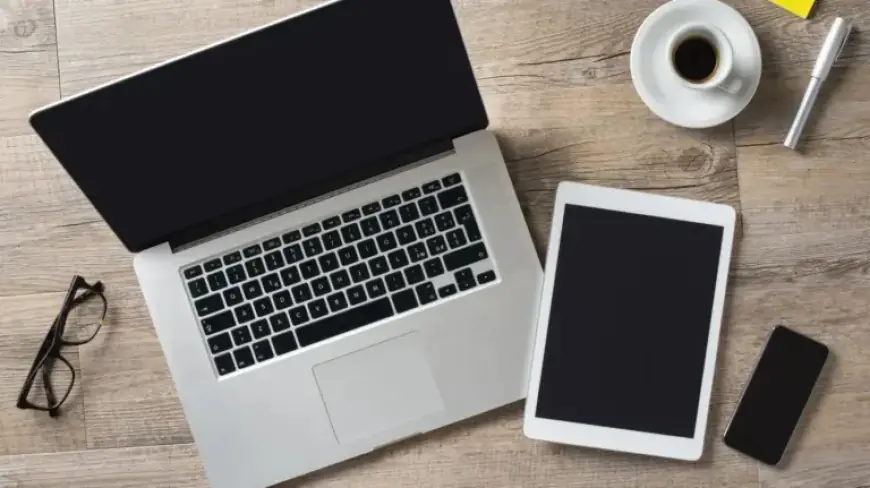
In recent years, the technology landscape has seen a shift in how users approach their computing needs. While laptops have traditionally been the preferred device for work, gaming, and resource-intensive tasks, Android tablets are beginning to carve out a niche as a viable alternative. Their evolution features improved displays and powerful processors, making them suitable for a range of activities.
Can Android Tablets Effectively Replace Laptops?
Modern Android tablets now support additional peripherals like keyboards and mice. This allows users to experience a familiar PC-like environment. With desktop modes such as Samsung’s DeX and Xiaomi’s HyperOS, these tablets can create a more productive workspace at a lower price point.
Everyday Functionality
Android tablets are capable of handling numerous everyday tasks effectively. Consider the following:
- Writing documents in Google Docs
- Participating in video calls
- Editing images using Canva
A mid-range tablet with a web browser can accomplish all these tasks. When enhanced with accessories like a keyboard and mouse, users can mimic a traditional laptop experience. Many tablets also offer split-screen functionality, which is beneficial for multitasking.
Gaming on Tablets
While tablets may not match the raw processing power of gaming laptops, advancements in cloud gaming mean that a reliable, high-speed internet connection can provide enjoyable gameplay on mid-sized tablets. Their lightweight design makes them ideal travel companions for those who prioritize portability and casual gaming.
Limitations of Android Tablets
Despite their advantages, Android tablets face several limitations compared to laptops. Notably:
- Limited app compatibility: Many essential desktop applications, such as DaVinci Resolve and Autodesk Revit, do not run on Android tablets.
- Performance issues: Mid-range tablets may struggle with heavy workloads and resource-demanding applications.
- Shortcomings in Chrome extensions: Popular tools like ad blockers and password managers are unavailable natively on Android.
- File management: Traditional operating systems like Windows and macOS provide superior file management capabilities.
While Android tablets continue to improve, whether they can fully replace laptops depends on individual needs. For casual users, they may serve as effective substitutes, but power users will likely find them lacking.
Conclusion
In summary, Android tablets are evolving and can fulfill specific tasks traditionally handled by laptops. They offer portability and convenience, making them appealing for lightweight use. However, they still have significant limitations regarding performance and app availability that may hinder their acceptance as complete laptop replacements for more demanding users.