























Wall Street Fuels Donald Trump’s Devastating Iran Conflict

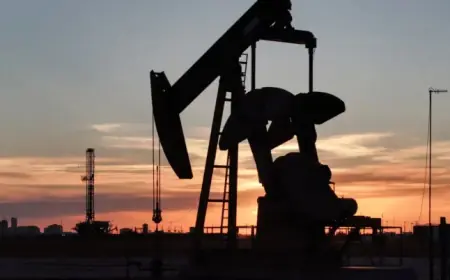
Recent developments in the Iran conflict, particularly under former President Donald Trump, have raised significant concerns regarding the global economy. The ongoing tensions and military actions are affecting oil prices and commodity supplies, creating a potential crisis reminiscent of the 1970s energy shocks.
Impact of the Iran Conflict on Oil Prices
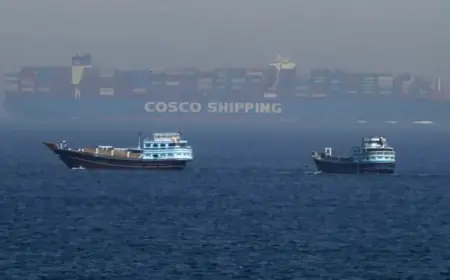
The situation in the Strait of Hormuz remains critical. This strategic waterway is essential for global oil shipments, and Iran’s blockade is exacerbating supply shortages. Experts warn that as these shortages persist, oil prices could skyrocket to levels between $150 and $200 per barrel.
Market Manipulation and Speculation
Every Sunday night, rumors of a ceasefire or de-escalation are circulated by unnamed White House officials. These statements temporarily boost stock futures and lower oil prices. By Monday morning, reality sets in when Iran confirms it is not negotiating, causing markets to realign.
Don Johnson, Chief Economist at MacroEdge, noted this cycle of market manipulation, suggesting such tactics prevent a market bottom and allow for sustained military action that could escalate the conflict.
Broader Economic Consequences
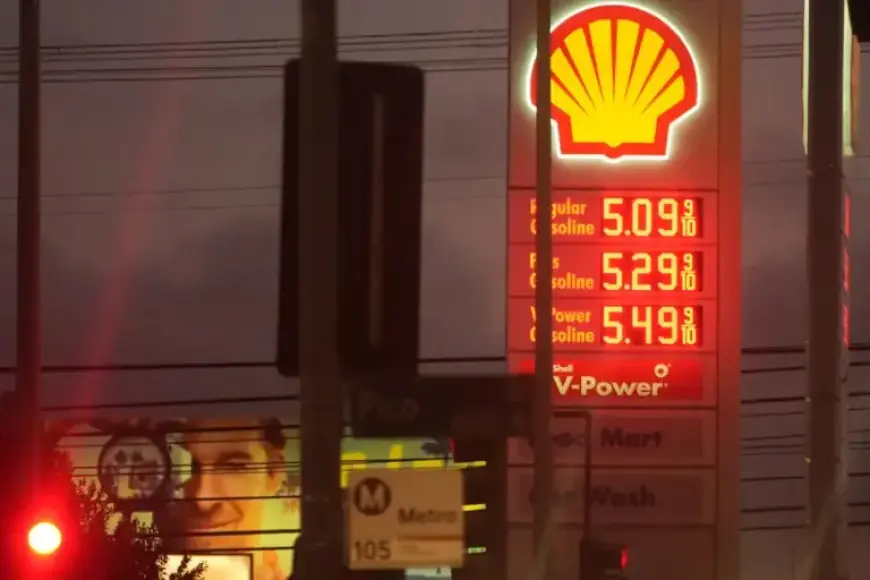
- Increased fuel prices leading to higher operational costs for businesses.
- Potential shortages in not just oil but also fertilizers, plastics, and helium, which are crucial for various industries.
- Businesses like Amazon and FedEx are already adding fuel surcharges to cope with rising operational costs.
JP Morgan Chase CEO Jamie Dimon highlighted that the war in Iran could result in persistent inflation and a shift in global supply chains, ultimately raising interest rates beyond current predictions.
Effects on Consumer Prices
Affected industries are passing on costs to consumers. Airlines have raised ticket prices and implemented fuel surcharges. These changes mean that air travel, particularly in Asia and Europe, is rapidly becoming more expensive due to jet fuel shortages.
Analysts predict that disruptions caused by Trump’s actions may take months to resolve, even if hostilities cease immediately. Herman Nieuwoudt of IFS Energy & Resources emphasizes that these challenges will create compounding cost pressures across all sectors linked to fuel.
Conclusion
The conflict in Iran is not merely a geopolitical issue; it is causing a ripple effect throughout the global economy. As oil prices and commodity shortages continue to rise, consumers can expect to feel the impact in their everyday lives.