




![Florida Panthers Face Off Against [Team Name] on April 4, 2026](https://www.filmogaz.com/uploads/images/202604/image_430x256_69d2395a47e1f.webp)


















Simon Willison Predicts ‘Dark Factory’ as AI’s Next Revolution

Simon Willison, co-creator of the Django web framework, foresees a shift in the technology landscape he terms the “dark factory.” This concept arises from the rapid advancements in artificial intelligence (AI) and its potential to transform coding and manufacturing processes.
Understanding the ‘Dark Factory’ Concept
During a recent episode of “Lemmy’s Podcast,” Willison explained that the dark factory is a model where businesses operate highly automated systems without human oversight. He likened it to factory automation, where machines can function in complete darkness once they no longer require human interference.
The Current Role of AI in Coding
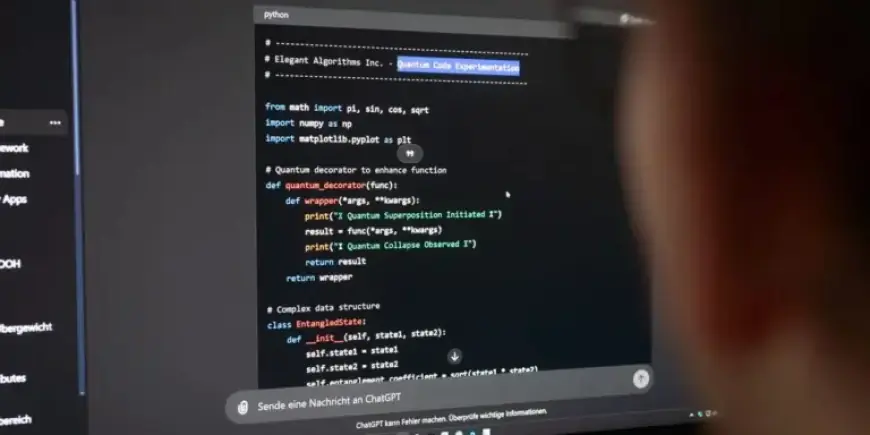
Currently, professionals who use AI tools commonly engage in a multi-step process. They define their objectives, monitor AI output, and review the generated code for accuracy. However, Willison raises a pivotal question: What if these professionals entrusted AI to manage the entire coding process autonomously?
Implications for the Workforce
The rapid evolution of AI has sparked significant debate about its impact on employment. While some industry leaders assert that AI will create new job opportunities, others express concerns about potential job losses. Notable companies like Klarna, IBM, Block, and Oracle have already linked recent layoffs to their integration of AI technologies.
A Shift in Professional Practices
- Willison reports a significant change in his own workflow.
- Approximately 95% of the code he produces now comes from AI-generated sources.
- Some companies are advising their human staff not to code at all.
Such developments raise critical questions about the future of coding as an occupation. Though AI tools simplify the process of turning ideas into functional products, creativity and originality remain essential components for success.
Conclusion
The emergence of the dark factory presents a double-edged sword. While AI enhances productivity, it also challenges traditional roles within the tech industry. As AI continues to evolve, its influence on coding, manufacturing, and employment is likely to intensify, prompting professionals to adapt to a rapidly changing landscape.