























How Speed Cameras Precisely Measure Your Speed

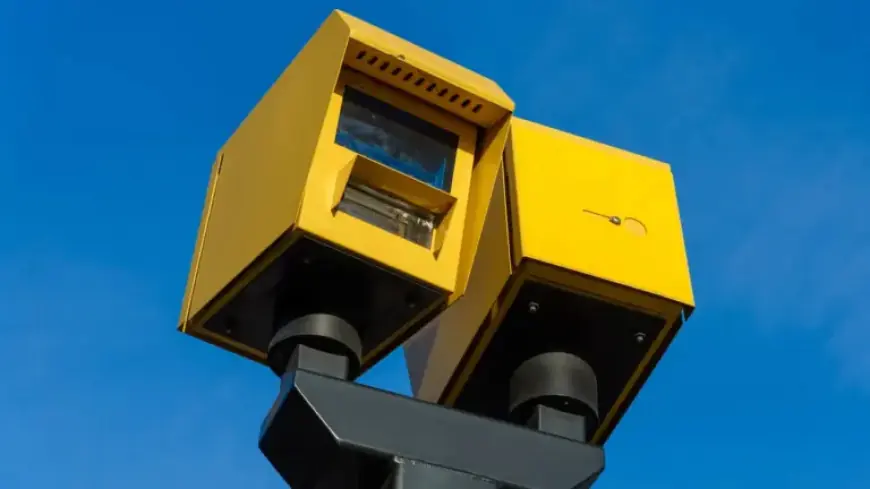
Speed cameras are essential tools for traffic enforcement, capturing vehicle speeds with impressive accuracy. They utilize advanced technology, primarily based on physics, to monitor speed. The primary method employed is the Doppler effect, which is also how we hear a passing siren change pitch.
Understanding How Speed Cameras Precisely Measure Your Speed
When a speed camera is activated, it emits a microwave beam. This beam reflects off moving vehicles, with the frequency shift providing a precise speed measurement within milliseconds. This quick calculation is vital for effective traffic enforcement.
Evolution of Speed Cameras
The first speed camera was conceptualized in 1964 by Maurice Gatsonides, a Dutch race car driver and winner of the 1953 Monte Carlo Rally. He adapted a device intended for measuring cornering speeds into one that could catch speeding vehicles. While today’s cameras are far more complex, the foundational principles remain similar.
Types of Speed Cameras
Speed cameras can be categorized into three main types, as outlined by the U.S. Department of Transportation:
- Stationary Cameras: These often use Doppler radar to measure speed at a fixed point. Some models integrate piezo-electric sensors that require embedded wires in the road.
- Mobile Cameras: Utilizing laser (lidar) technology, these cameras are capable of precisely measuring speed from up to 1,000 feet away, even in heavy traffic.
- Average-Speed Cameras: These systems capture a vehicle’s license plate at two points along a stretch of road. By measuring the time taken to travel between these points, they calculate the vehicle’s average speed.
Potential for Error
Despite their sophistication, speed cameras are not immune to inaccuracies. Factors that may compromise their effectiveness include:
- Radio frequency interference.
- Weather conditions that affect visibility.
- Calibration inaccuracies, which can vary from +1 mph to -2 mph.
For example, calibration reports from Chicago’s ABC7 team in 2024 revealed that some cameras could have an accuracy window of ±0.62 mph. This means that a motorist could technically be ticketed for a speed just over the limit, even if they were within a few tenths of a mile per hour.
Modern Adaptations and Challenges
Speed cameras have evolved to adapt to various scenarios. Motorcycle plates, for instance, were previously an issue for average-speed cameras. However, modern Automatic Number Plate Recognition (ANPR) systems can monitor all lanes, thus reducing loopholes for evasive maneuvers.
While speed cameras are generally reliable, they are subject to rigorous calibration to ensure accuracy. The reality is that many tickets can be generated before any routine checks are performed, underlining the importance of understanding how these systems work.
Overall, knowing how speed cameras operate can be beneficial for motorists, especially those questioning a speeding ticket. Awareness of the potential for error can empower drivers to respond effectively in case of discrepancies.