























Krugman Discusses Oil, O’Brien Analyzes Trump’s Predicament, Says Blundell

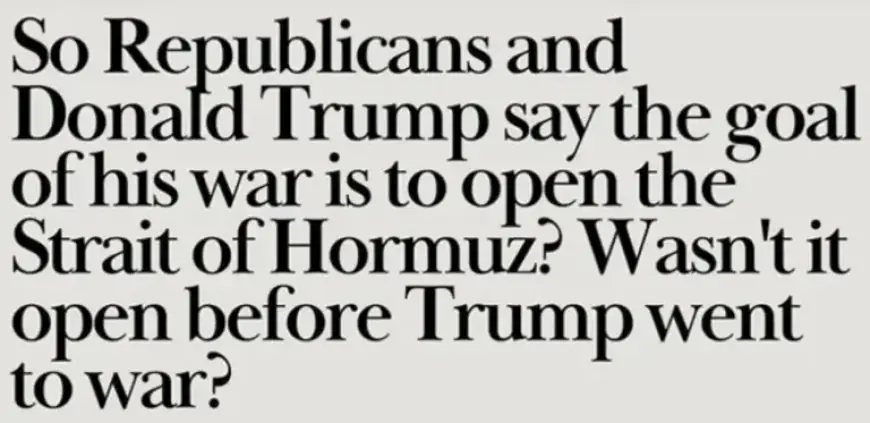
Paul Krugman recently expressed serious concerns about an impending oil crisis. He highlighted that a significant portion of global oil production, about 20%, typically passes through the Strait of Hormuz. Currently, this crucial passage has seen a drastic reduction in oil flow, primarily allowing Iranian oil and a limited number of other vessels.
Impending Oil Crisis
The disruption has led to soaring oil futures prices. This price increase is largely speculative, fueled by expectations of future shortages rather than immediate supply issues. Presently, oil deliveries to global markets have not drastically dropped due to the time it takes to ship oil from the Persian Gulf, which typically lasts four to six weeks.
However, this cushion period is rapidly coming to an end. J.P. Morgan’s estimates suggest deliveries to Asian markets may halt imminently, followed by European markets one week later. Once the physical shortage materializes, market manipulation through discussions or negotiations will likely become ineffective.
Trump’s Oil Predicament
Krugman noted that Donald Trump previously managed to stabilize oil prices through proclamations of ongoing negotiations with Iran. However, such tactics may falter when supplies dwindle. The result could be a significant price hike, potentially reaching $200 per barrel if conflicts escalate, particularly if Trump decides to take aggressive military actions.
Broader Economic Impacts
- Gasoline prices are just the tip of the iceberg.
- Many U.S. petroleum products, including jet fuel and diesel, are also set to rise sharply.
- Increased costs for essential goods like fertilizer and plastics will further burden consumers.
Interestingly, while domestic oil production remains robust, U.S. consumers may suffer from the ripple effects of price increases without a fair redistribution of windfall profits to alleviate their burdens.
Federal Reserve’s Role
The Federal Reserve typically responds to inflation by examining core inflation metrics, which exclude food and energy costs. As per Krugman, this approach may not sufficiently address the rising costs driven by the oil crisis, risking further financial strain on U.S. households.
Trump’s Leadership Under Scrutiny
O’Brien, another analyst, highlighted the challenges Trump faces amid this crisis. While Trump can claim victories, the realities on the ground, especially concerning oil supply and Iran’s ongoing influence, may render such claims hollow.
Trump’s upcoming address aims to provide an update on Iran. However, the ongoing control Iran exerts over the Strait of Hormuz complicates any narrative of success Trump wishes to promote.
Global Repercussions
The strategic implications extend beyond U.S.-Iranian relations. Trump’s comments have left many allies questioning their reliance on the U.S. for security. Countries like Saudi Arabia, traditionally dependent on U.S. support, find their confidence eroded amid public humiliations and shifting alliances.
Some reports suggest that China, Russia, and others are taking notice of the instability, creating potential avenues for new military and economic partnerships. This could further isolate the U.S. and weaken its long-standing influence in global affairs.
Conclusion
The oil crisis and its wider implications represent a precarious situation that could dramatically affect both global economics and U.S. foreign policy. As tensions rise, the strategic balance in the region becomes increasingly fragile, making this issue one to watch closely in the coming weeks.