























Rising Fuel Costs Alter Commutes, Make Food a ‘Privilege’ for Many


As fuel prices continue to soar, many Australians find themselves reevaluating their daily routines and essential expenditures. The influence of rising fuel costs has become increasingly evident, affecting both commutes and essential needs like food. This trend is not just confined to lower-income households; it impacts a broad spectrum of the population.
Rising Fuel Costs Impacting Daily Life
Maddi Lynott, a part-time nurse, Pilates instructor, and florist from Adelaide, epitomizes this challenge. With three jobs, she struggles to manage her expenses as fuel prices fluctuate. Lynott mentions that filling her tank can cost upwards of $120, placing a strain on her budget given she fills up almost every week. To cut costs, she is considering purchasing a bike for short trips.
Lynott reflects that worries about finances are common across her social circle. “It’s not just those in lower economic brackets who are feeling the pinch; it’s everyone,” she states. As more people seek alternatives for commuting, the demand for public transport is witnessing an upward trend.
Public Transport Usage Increases
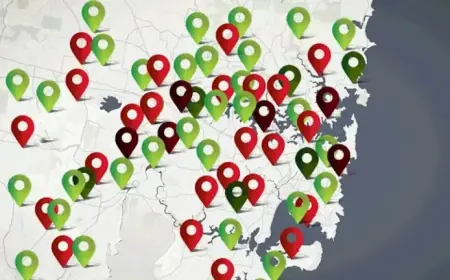
In response to rising fuel costs, many are opting for public transport. However, despite the increased demand, the South Australian government has no current plans to implement free public transport. Approximately 70 fuel stations have reported shortages of at least one fuel type, highlighting the gravity of the crisis.
According to the South Australia Department of Infrastructure and Transport, there was a slight decrease in traffic across key roads. Simultaneously, the Adelaide Metro network noted a surge in public transport usage. Between March 16 and March 22, weekday patronage across buses, trains, and trams rose by around 3 percent compared to the same period last year. This increase translates to about 7,300 additional trips each weekday, totaling over 261,000 trips across the network.
Fuel and Food Insecurity
The economic strain extends beyond transportation, as noted by Damian Scanlon, state manager of food charity OzHarvest. He describes the situation as a “perfect storm,” with rising fuel costs compounding issues like increasing interest rates and grocery prices. Scanlon emphasizes the direct link between fuel insecurity and food insecurity: “Agriculture relies heavily on fuel, and that means those costs are passed on to consumers.”
- Families are often faced with tough choices:
- Should we buy food for our children?
- Can we afford gas to drive them to school?
- Should we pay our energy bill or mortgage?
As these challenges mount, food, once considered a basic necessity, is becoming a privilege for many. OzHarvest delivers around 60,000 meals each week to those in need and relies heavily on volunteer support. However, the rising costs of operating their fleet may limit their capacity to provide these essential services.
“Increased running costs will redirect funds that could otherwise be used for feeding people,” warns Scanlon. He expresses concern about the unpredictability of the current situation, stating, “We all know things can’t be predictable, but this one’s a big one.”
Navigating Economic Challenges
As Australia continues to grapple with rising fuel costs, the impacts are multifaceted. From commuting challenges to food accessibility, many households face tough decisions that affect their daily lives and overall well-being. The need for sustainable solutions and support systems is more crucial than ever, as communities navigate these economic challenges.