













Writers Reach Agreement with AMPTP

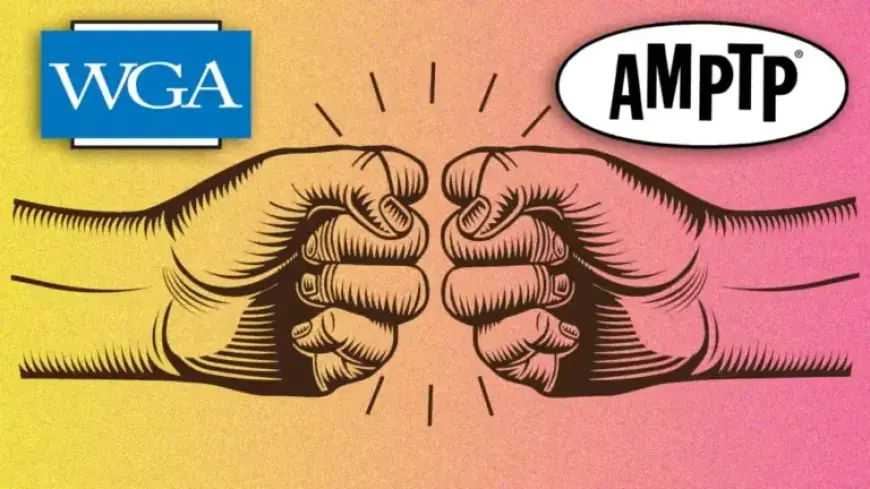
The Writers Guild of America (WGA) has reached a tentative agreement with the Alliance of Motion Picture and Television Producers (AMPTP), marking a significant moment in their relationship. The deal was finalized on a Saturday, following negotiations that began in mid-March. This agreement is crucial as it includes protections related to artificial intelligence (AI), along with increased fees and residuals for streaming content.
Key Aspects of the Agreement
This new four-year contract aims to provide a reset in the relationship between writers and studios. According to insider sources, the AMPTP under Greg Hessinger has taken a constructive approach, which contrasts with the more contentious negotiations of previous years under Carol Lombardi.
- AI Protections: The agreement sets clear boundaries regarding the use of AI in writing.
- Financial Considerations: Writers will see a boost in streaming fees and residuals.
- Health Plan Injection: A cash infusion has been discussed to support the WGA’s health plan, which has been operating at a deficit.
Impact on Other Unions
The successful negotiation with the WGA could influence ongoing discussions with other unions like SAG-AFTRA and the Directors Guild of America (DGA). SAG-AFTRA plans to return to the negotiating table in June, with their current contracts expiring at the end of that month. DGA negotiations are set to take place in May.
Duncan Crabtree-Ireland, chief negotiator for SAG-AFTRA, emphasized the need for strong AI protections as a condition for any agreement extending the contract length. Christopher Nolan, newly elected DGA President, shared concerns over the feasibility of long-term agreements in a rapidly changing industry.
Recent Negotiation Dynamics
The recent negotiations reflected a willingness to engage in open dialogue. This shift is notable, especially considering the writers’ strike of 2023, which lasted for 148 days and received overwhelming support from union members prior to its initiation. In contrast, the WGA did not hold a strike authorization vote this time, suggesting a more favorable negotiating environment.
Future Considerations
Now that the WGA has reached an agreement with the AMPTP, focus will shift to addressing challenges within the union, including the ongoing concerns with the WGA West staff’s negotiations. Ellen Stutzman, the WGA Western executive director, has been involved in these discussions, indicating that while the official negotiations were progressing, informal talks were occurring as well.
This new phase in negotiations signifies not just a victory for the writers but also potentially smoother paths for future negotiations with other guilds. As the industry evolves, the emphasis on adaptability and constructive dialogue will likely define the relationships between unions and production companies moving forward.