


















AI Fakes and Copyright Trolls Target Folk Musician Murphy Campbell

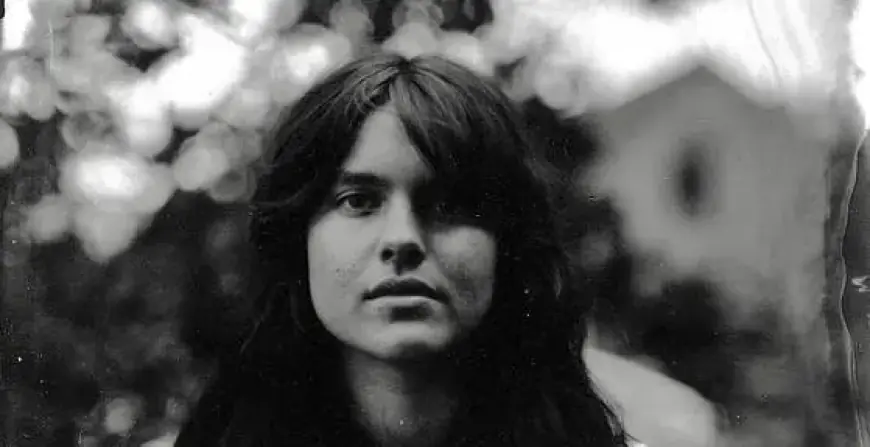
In a concerning incident for the music industry, folk artist Murphy Campbell encountered issues in January when she discovered unauthorized songs on her Spotify profile. These tracks, which she had recorded in the past, did not originate from her uploads. Upon investigation, she realized that someone had used AI technology to create covers of her songs, uploading them under her name.
Discovery of AI-Generated Songs
Campbell noticed these songs shortly after they appeared on her Spotify account. She used AI detection tools on one of the tracks, “Four Marys,” which confirmed her suspicion that the vocals were likely generated by artificial intelligence. Shocked by the situation, she expressed her concerns, stating she expected better protective measures on streaming platforms.
Challenges of Removal
Getting the unauthorized songs removed proved to be a daunting task. Campbell humorously described herself as a pest in her efforts to eliminate the fake tracks. Although some of the offending songs were eventually removed from platforms like YouTube Music and Apple Music, others remained accessible on Spotify through altered artist profiles. This has led to the emergence of multiple artists named Murphy Campbell.
New Developments in Copyright Issues
The situation escalated when, coinciding with a Rolling Stone article about her experience, new unauthorized videos surfaced on YouTube via distributor Vydia. These videos, not publicly available, have raised questions regarding ownership over Campbell’s work. A notice from YouTube indicated that Campbell would share revenue with the copyright holders, a claim centered around several songs in the public domain, including the traditional track “In the Pines.”
- “In the Pines” has historical roots dating back to at least the 1870s.
- The song genre has been popularized by artists such as Lead Belly and Nirvana.
Response from Vydia
Vydia’s spokesperson, Roy LaManna, mentioned that the copyright claims were handled with care, despite an alarmingly small percentage of invalid claims—0.02 percent—through YouTube’s Content ID system. However, he clarified that Vydia’s actions regarding the claims were unrelated to the AI-generated songs uploaded under Campbell’s name.
Vydia faced backlash, including serious threats aimed at their offices. LaManna emphasized the firm’s dedication to proper practices within the industry, despite the challenges surrounding copyright and AI technology.
Ongoing Legal and Ethical Concerns
Murphy Campbell believes the complexities surrounding generative AI, music distribution, and copyright raise critical questions about responsibility and abuse. She noted that the challenges are deeper than they appear and called for a more rigorous examination of the systems in place to protect artists.
As the music industry grapples with the repercussions of AI and copyright trolling, the case of Murphy Campbell serves as a stark warning. Artists must remain vigilant in safeguarding their work from unauthorized use and technological exploitation.