
























Iran Strikes Amid Mixed Diplomacy, Targets Israel and Gulf States

Air attacks and missile barrages intensified across the Middle East on March 24, 2026. Iran and Israel traded strikes while regional states reported damage. U.S. officials said negotiations were under consideration even as Tehran denied talks.
Diplomatic moves and mediation efforts
Pakistan offered to host talks, officials from Pakistan, Egypt and a Gulf state said. Washington agreed “in principle” to participate, according to those officials. Iranian Foreign Minister Abbas Araghchi held contacts with several counterparts, but Tehran publicly rejected immediate concessions.
The episode, described by analysts as Iran strikes amid mixed diplomacy, targeted Israel and Gulf states in parallel attacks. Mediators aimed to build trust and secure a pause in fighting. Israel was not part of the early mediation efforts.
Waves of attacks across the region
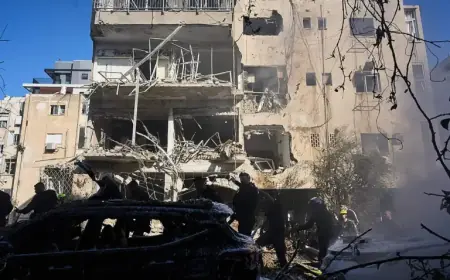
Iran launched multiple missile and drone waves toward Israel. Tel Aviv suffered a strike in the city center from a missile with an estimated 100-kilogram warhead. Four people sustained minor injuries, rescue services said.
Air defenses and shrapnel damaged power lines in Kuwait, causing partial outages. Bahrain reported missile and drone strikes. The United Arab Emirates said its systems intercepted incoming threats. Saudi Arabia reported destroying Iranian drones bound for its Eastern Province.
Strikes on Iran and Lebanon
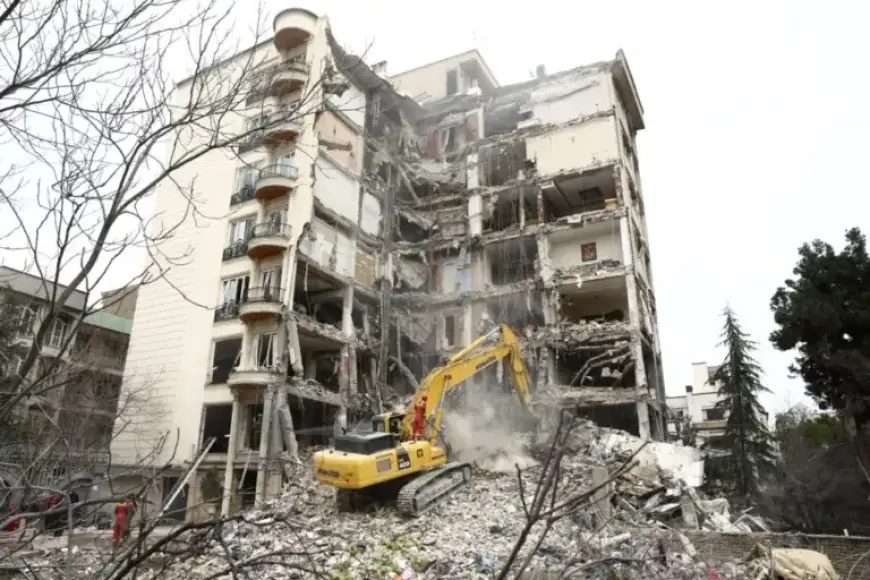
Israel conducted extensive strikes on sites it described as Iranian production facilities. Explosions were reported in northern and central Tehran. In Lebanon, Israeli strikes hit southern suburbs of Beirut.
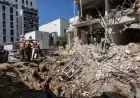
A strike on a residential building southeast of Beirut killed at least three people, including a 3-year-old child. Officials reported five additional deaths in southern Lebanon. Lebanese authorities say more than 1,000 people have died and over 1 million have been displaced in the country.
Casualties and economic fallout
Iran’s Health Ministry reported more than 1,500 deaths inside Iran. Israeli fatalities stood at about 15. At least 13 U.S. service members have been killed during the conflict, officials confirmed.
Global markets reacted. Brent crude rose above $100 per barrel on Tuesday. Prices were nearly 40% higher since the conflict began.
U.S. military movements and strategic concerns
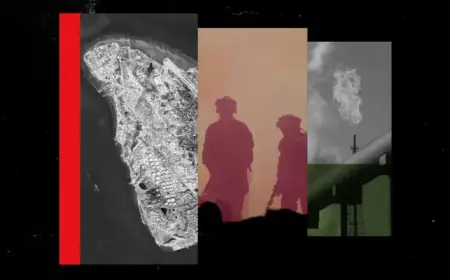
Thousands of additional U.S. Marines were en route to the Persian Gulf. Analysts warned of speculation that forces could attempt to secure Kharg Island. The U.S. had struck the island more than a week earlier, damaging defenses but sparing oil infrastructure.
Iran threatened to mine the Strait of Hormuz if a force appeared ready to land troops. President Donald Trump delayed a self-imposed deadline for Tehran to reopen the strait. He also said he would hold off on strikes against Iranian power stations while diplomatic efforts continued.
Political responses inside Iran
Iranian officials publicly rejected negotiated settlements that would limit their aims. Parliament Speaker Mohammad Bagher Qalibaf dismissed the prospect of talks. A senior military spokesman praised Iran’s armed forces and vowed continued resistance until victory.
Efforts to convene mediators focused on mechanisms to reopen the Strait of Hormuz and to protect regional energy infrastructure. Observers cautioned that any agreement would face major hurdles over missiles and nuclear issues.
This report is compiled for Filmogaz.com from multiple regional briefings and official statements.