

























US-Israel Conflict: UAE Counters Iran Threats; Bahrain Attack Leaves 1 Dead, 5 Injured

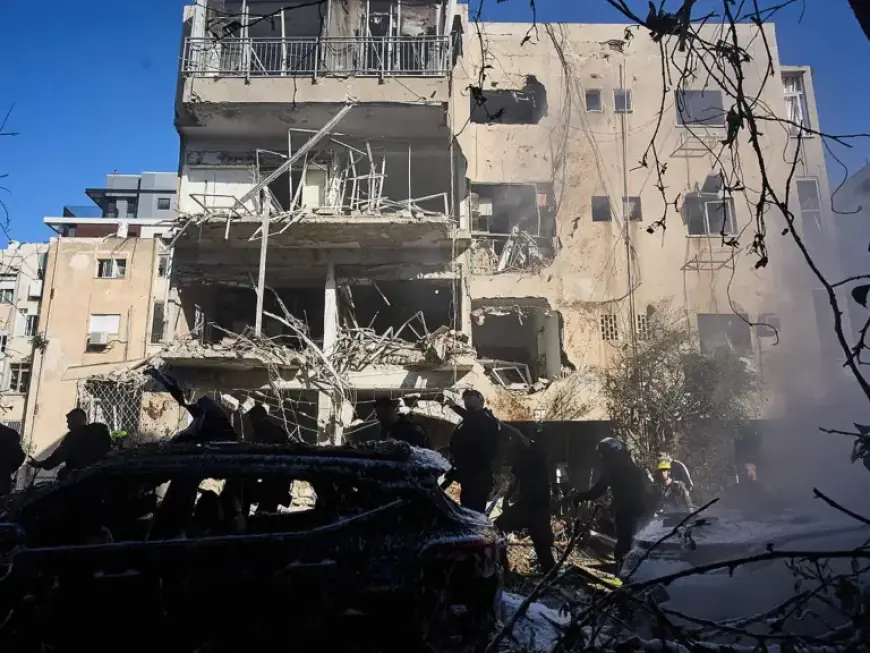
The Middle East conflict intensified as fresh strikes, missile barrages and drone interceptions spread across the region. Markets and governments reacted swiftly to the growing security and economic fallout.
Escalating military exchanges and casualties
Iranian, Israeli and US-linked strikes struck sites in Iran and neighbouring states. Iran reported damage at gas facilities in Isfahan and near Khorramshahr.
Bahrain suffered a missile strike that killed a Moroccan civilian contractor working with the UAE. Five UAE Ministry of Defence personnel were wounded in the same incident.
Other battlefield developments
Israel said it completed large airstrike waves in Isfahan. The Iranian Revolutionary Guards warned of heavy missile and drone responses.
In Iraq, a strike in western Anbar killed 15 fighters belonging to the Hashed al‑Shaabi coalition. Kurdistan reported six peshmerga killed in ballistic missile attacks.
Regional air defences and interceptions
The UAE intercepted multiple ballistic missiles and numerous UAVs. Saudi forces reported destroying eight drones.
The UK said a ground-based unit shot down two Iranian drones. Kuwait’s defences also engaged incoming threats.
Diplomatic moves and mediation efforts
Pakistan’s prime minister offered Islamabad as a venue for talks, subject to US and Iranian agreement. Ankara and Cairo are involved in parallel diplomacy.
China’s foreign minister urged all sides to seize opportunities for peace talks. Washington declined to confirm mediation plans in public.
Global political responses
France moved naval assets, including the Charles de Gaulle carrier, and repositioned aircraft to protect national interests. Paris’ military leadership voiced frustration over perceived unpredictability from its ally.
European leaders called for an immediate end to hostilities. The UN Human Rights Council scheduled an urgent debate on Gulf strikes.
Economic and energy impacts
Brent crude rose above $100 a barrel, trading near $102.84. West Texas Intermediate climbed to about $91.20.
Markets reacted nervously. The S&P 500 eased roughly 0.4 percent after recent gains.
National measures and market moves
Japan will release strategic oil reserves from March 26. The Philippines declared a national energy emergency over fuel risks.
Cathay Pacific extended suspensions to Dubai and Riyadh through May 31. Kuwait ordered full refunds for cancelled tickets.
Military planning and contingency postures
US commanders discussed contingency plans that could include airborne and marine brigades. No formal deployment orders were issued.
Israel signalled plans to secure southern Lebanon up to the Litani river. Several bridges were reported destroyed in that area.
Domestic disruptions and infrastructure effects
Kuwait experienced partial power outages after air‑defence debris damaged transmission lines. Amazon confirmed an AWS disruption affecting Bahrain.
UAE authorities eased residency rules to permit returns. Private school groups began applying to resume face‑to‑face classes.
Humanitarian and rights concerns
The UN session will address civilian harm across Bahrain, Jordan, Kuwait, Oman, Qatar, Saudi Arabia and the UAE. Gulf states seek international scrutiny of the strikes.
Local reports indicate rising civilian displacement and damage to homes and infrastructure across Lebanon and Israel.
Coverage by Filmogaz.com will monitor developments closely. The situation remains fluid, and energy prices, markets and diplomatic channels could shift fast.