
























Kharg Island Seizure: Unveiling the Challenges

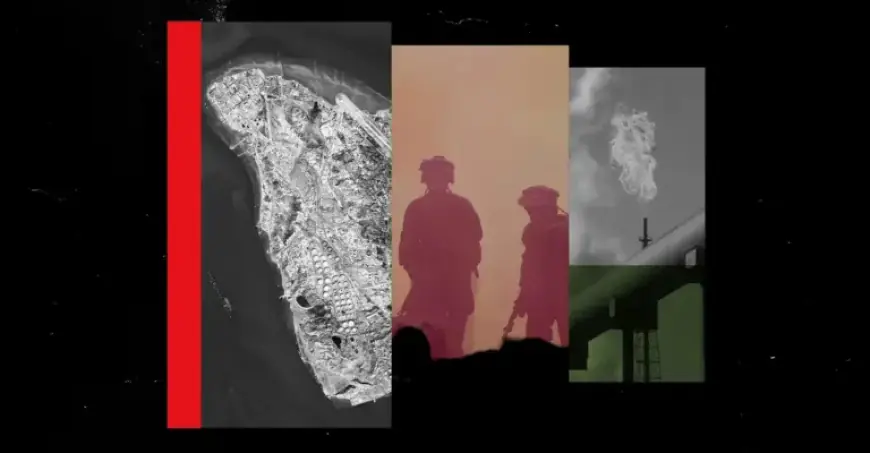
Kharg Island sits about 20 miles off Iran’s coast in the Persian Gulf. The rocky isle covers under eight square miles and hosts roughly 20,000 people, mostly oil workers.
The island handles about 90 percent of Iran’s oil exports. Kharg’s airport has a 5,922-foot runway. These features make the island a strategic export hub.
Regional backdrop
The Strait of Hormuz has been effectively restricted by Iranian measures. Tehran has allowed tankers carrying its own oil to pass. Since the fighting began, Iran reportedly exported at least 16 million barrels.
Other Gulf producers have struggled to move crude. Iran has targeted pipelines that bypass the strait. Iran-aligned Houthi forces in Yemen also threaten the Bab el-Mandeb Strait and the Suez Canal.
U.S. military moves and objectives
U.S. forces struck military sites on Kharg on March 13. Officials are reportedly weighing a ground seizure of the island.
The United States recently sent the 31st Marine Expeditionary Unit from Japan to the Middle East. The MEU embarked on the USS Tripoli, an America-class amphibious-assault ship. The vessel typically carries a rapid-response force of about 2,200 to 2,500 Marines.
Marine aircraft such as MV-22 Ospreys would likely ferry troops ashore. A primary objective would be to seize facilities that enable Iranian reinforcement, including Kharg’s runway.
Logistical and operational hurdles
Taking Kharg may be feasible in a short assault. Holding the island presents far greater difficulties.
An expeditionary unit can operate for roughly 15 days without major logistical support. Kharg lies about 140 miles from U.S. assets in Kuwait City, complicating resupply.
- Surface resupply faces cruise-missile risk and Iran’s “mosquito fleet” of unmanned surface vessels.
- Air resupply would depend on limited defenses like MANPADS and fighter patrols.
- Short-range Iranian ballistic missiles could crater the runway, denying cargo aircraft.
Iran has shown tactics that could multiply the challenge. Past scorched-earth orders and strikes on regional oil and gas infrastructure have precedent.
Drone and loitering-munitions threat
Loitering munitions are a growing hazard. Russia’s Lancet series has proved effective in other conflicts.
In April 2024 Iran unveiled a Lancet-like loitering munition. If operational, such weapons could hunt ships, aircraft, vehicles, and troops from above.
Ukraine’s experience shows defending against these drones requires extensive measures. Resupply operations and aircraft on the ground become attractive targets.
Possible outcomes and risks
Seizing Kharg would remove Iran’s main export node. That could sharply reduce Tehran’s oil revenue and change bargaining dynamics.
Conversely, occupying Kharg risks sustained ballistic-missile and drone attacks. Petrochemical fires could contaminate the island and harm personnel.
Attackers and defenders would face a logistics-driven battle of attrition. The scenario could mirror prolonged, high-intensity campaigns rather than short, decisive strikes.
Filmogaz.com presents this analysis of a potential Kharg Island seizure and the operational and strategic challenges it would pose.