
























Iran Launches Airstrikes on Israel and Gulf States Amid Intensifying Diplomacy Efforts

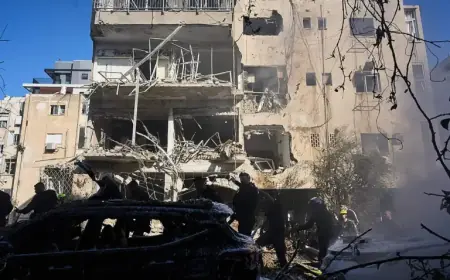
Iran launches airstrikes and missile barrages struck Israel’s Tel Aviv and other regional sites. Air raids also battered locations inside Iran while Israel struck targets around Beirut. The violence continued even as U.S. officials said talks were taking place.
Diplomatic outreach and mediation offers
Pakistan’s prime minister offered to host talks and said his country would facilitate negotiations. Pakistani officials reported the United States agreed in principle to join such meetings.
Iran’s foreign ministry said its deputy has held talks with several counterparts. But powerful Iranian figures rejected negotiations and vowed to press on.
Trust-building and hurdles
An Egyptian official said mediators seek a pause in fighting and want to protect energy infrastructure. Diplomats are working on a mechanism to reopen the Strait of Hormuz.
Analysts warn talks face steep obstacles. Key U.S. objectives include limits on ballistic missiles and nuclear activity.
Combat operations and casualties
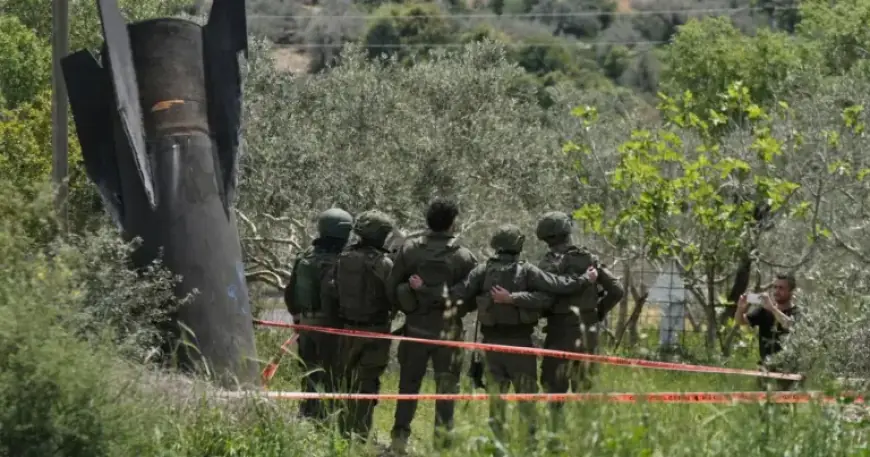
Iran fired multiple missile waves at Israel, including strikes that hit central Tel Aviv. One missile carried a roughly 220-pound warhead.
Israel said it struck Iranian production sites and shelled southern Beirut suburbs. Lebanon reported heavy civilian losses from those strikes.
| Location | Reported deaths | Notes |
|---|---|---|
| Lebanon | More than 1,000 | Large displacement; apartment strike killed children |
| Iran | Over 1,500 | Health ministry figure |
| Israel | 15 | Includes civilians wounded in Tel Aviv |
| U.S. forces | At least 13 | Military fatalities in the conflict zone |
Attacks across Gulf states and regional fallout
Gulf states reported missile and drone strikes. Bahrain and Kuwait experienced damage and power outages from air-defense debris.
Saudi forces said they destroyed Iranian drones aimed at the Eastern Province. The United Arab Emirates and Bahrain reported hit-and-run attacks.
Political moves in Lebanon
Lebanon declared Iran’s ambassador persona non grata and ordered him to leave within days. Beirut also banned Iranian flights amid fears of weapons transfers.
Economic effects and shipping risks
Iran’s control over the Strait of Hormuz disrupted international shipping. The choke point spike pushed fuel prices and threatened global markets.
Oil briefly fell on news of possible talks. Brent crude then climbed back above $100 per barrel, up nearly 40 percent since the conflict began.
U.S. military buildup and strategic calculations
Thousands of U.S. Marines are moving toward the Persian Gulf. Their arrival fueled speculation about seizing key oil infrastructure.
The United States previously struck Kharg Island, targeting defenses while sparing oil facilities. Iran warned it might mine the Gulf if a landing seemed imminent.
Escalation risks and pauses
President Trump said he would delay threats to attack Iranian power infrastructure while talks continue. Observers suggested the pause could allow reinforcements to arrive.
Both Washington and Tehran face hard choices. It remains unclear who could negotiate inside Iran and whether terms could meet U.S. or regional demands.
Filmogaz.com will continue to monitor developments as the situation evolves. The mix of Iran launches airstrikes, Gulf states tensions, and intensifying diplomacy complicates prospects for a quick resolution.