

























Middle East Conflict Drives Edmonton Gas Prices to $1.50

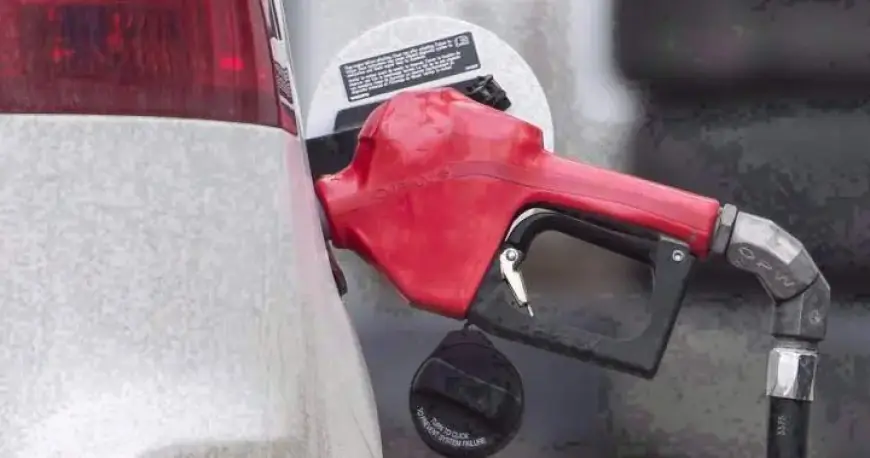
Recent developments in the Middle East have significantly impacted gas prices in Edmonton, with many stations now charging approximately $1.50 per litre for regular gasoline. This spike is attributed to rising oil prices linked to ongoing geopolitical tensions in the region.
Impact of Middle East Conflict on Oil Prices
Since Tuesday, wholesale gasoline prices have increased by about 20 cents, while diesel has surged nearly 40 cents. Dan McTeague, president of Canadians for Affordable Energy, emphasized that rising diesel costs have extensive implications, stating, “Diesel affects everything.” The increase in diesel prices is expected to contribute to inflation and affect the overall economy.
Closure of the Strait of Hormuz
The escalation in gas prices comes in tandem with a significant rise in global oil prices. Following the recent military actions involving the United States and Israel against Iran, tensions have escalated, particularly with Iran’s closure of the Strait of Hormuz. This strategic passageway is crucial for oil transportation, accounting for around 25% of the world’s oil shipments and about 20% of liquefied natural gas (LNG) supply.
Recent Oil Price Trends
On the day of the incident, Brent Crude prices peaked at approximately USD 79 per barrel, before experiencing a slight decline. By the week’s end, prices soared to nearly USD 93 per barrel. West Texas Intermediate began the week at USD 71 per barrel, culminating at USD 90 per barrel, marking the largest weekly increase since the beginning of the conflict in Ukraine.
- Brent Crude Oil: Reached USD 93 per barrel.
- West Texas Intermediate: Increased to USD 90 per barrel.
Economic Implications for Canada
According to Warren Mabee, director of the Queen’s University Institute for Energy and Environmental Policy, the ongoing conflict will likely result in increased gasoline and diesel prices in Canada. Despite Canada being a net oil exporter, domestic prices are influenced by international benchmarks.
Alberta’s budget, primarily reliant on oil revenue, may face challenges. The provincial government previously projected a $9.4 billion deficit, which could change if current price levels persist, potentially increasing revenue from royalties and taxes.
Future Projections
Richard Masson, an industry analyst, warned that unless shipping disruptions cease, upward pressure on global oil prices is likely to continue. As a result, gasoline and diesel prices in Edmonton may increase further. Predictions indicate potential hikes of 10 to 12 cents for gasoline and 20 cents for diesel in the coming week.
The conflict illustrates the precarious balance Canada faces as an energy-rich nation reliant on global market trends. Critics argue that increasing domestic production could reduce this dependency, leading to more stable pricing for consumers.