























Trump Administration Considers Leadership Shift Amid Advancing Cuba Talks

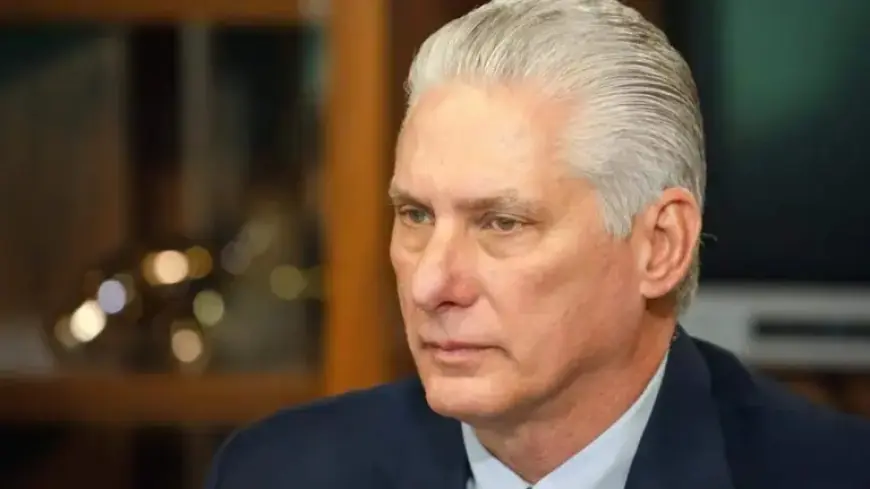
The Trump administration is reportedly considering a leadership shift in Cuba as ongoing negotiations seek to facilitate economic and political reforms on the island. Cuban President Miguel Díaz-Canel, 65, has been identified as a potential obstacle to these changes. His position has come under scrutiny amid discussions involving U.S. Secretary of State Marco Rubio and prominent Cuban figures, including Raúl Castro’s grandson.
Background on Cuban Relations
President Donald Trump has exerted significant pressure on the Cuban leadership, labeling the nation a “failing state.” This stance includes placing restrictions on oil supplies from Venezuela, Cuba’s closest ally. The objective is to push for substantive economic changes within Cuba’s centrally planned economy.
Recent Diplomatic Meetings
Negotiations have included meetings between Rubio’s advisers and Raúl Guillermo Rodriguez Castro, who plays a crucial role within the island’s military and economic sectors. The discussions took place last Wednesday in Saint Kitts during the annual CARICOM conference.
- Rodriguez Castro has significant influence over GAESA, a conglomerate controlling 40% of Cuba’s economy.
- The U.S. has floated the idea of easing sanctions in exchange for concrete reforms.
After these talks, Trump suggested that a “friendly takeover” could be a possibility, indicating that the U.S. administration believes a shift in leadership might facilitate reforms.
Challenges for Díaz-Canel
Díaz-Canel’s tenure has been marked by crises, including the largest mass exodus from Cuba since 2020. Under his leadership, discontent has grown, particularly following the anti-government protests in July 2021, where he infamously called for repression of demonstrators.
- Díaz-Canel succeeded Raúl Castro as president in 2018 and as head of the Communist Party in 2021.
- His administration has faced scrutiny due to ongoing economic struggles and a lack of substantial reforms.
Cuban economist Ricardo Torres points out that any decision to replace Díaz-Canel would need to be carefully negotiated, as it would represent a major shift within Cuba’s political framework.
Potential Outcomes of Leadership Change
Experts suggest that a leadership transition could signal a willingness from the Castro family to pursue negotiations with the U.S. Such a move would require balancing internal power dynamics while maintaining the image of institutional stability.
While removing Díaz-Canel may not eliminate the underlying power structures, it could pave the way for significant concessions to the Trump administration, especially if it precedes broader political reforms.
Cuban exiles and activists are closely monitoring these developments. There is concern that the U.S. may settle for mere changes in leadership rather than pursuing deeper democratic reforms.
Conclusion
As the Biden administration navigates complex relations with Cuba, Díaz-Canel’s future remains uncertain. His tenure, marked by significant challenges and unrest, raises questions about the viability of his leadership amid evolving diplomatic landscapes.
The outcome of these discussions may redefine U.S.-Cuban relations in the coming years, with profound implications for the island’s political future.