

























Iran Explores US Talks in Pakistan Amid Ongoing Blockade Dispute

Senior Iranian officials said Tehran is weighing attendance at mediated talks in Islamabad. Pakistan has pushed to resolve a U.S. blockade of Iranian ports, which Tehran views as a barrier to diplomacy.
Negotiation prospects and obstacles
Iranian Foreign Minister Abbas Araqchi told his Pakistani counterpart Ishaq Dar that violations of the ceasefire by U.S. forces remain a major impediment. Tehran has not made a final decision on participation, officials said.
A senior Iranian source described the offer to attend as under “positive review.” Pakistan has been acting as mediator in the effort.
Ceasefire timetable
President Donald Trump announced a two-week ceasefire on April 7. Pakistani sources said the truce would end at 8 p.m. ET on Wednesday, which corresponds to midnight GMT and about 3:30 a.m. Thursday in Iran.
With the deadline approaching, negotiators hoped to begin talks before the ceasefire expired. Uncertainty increased after a U.S. interception at sea.
Maritime confrontation and blockade dispute
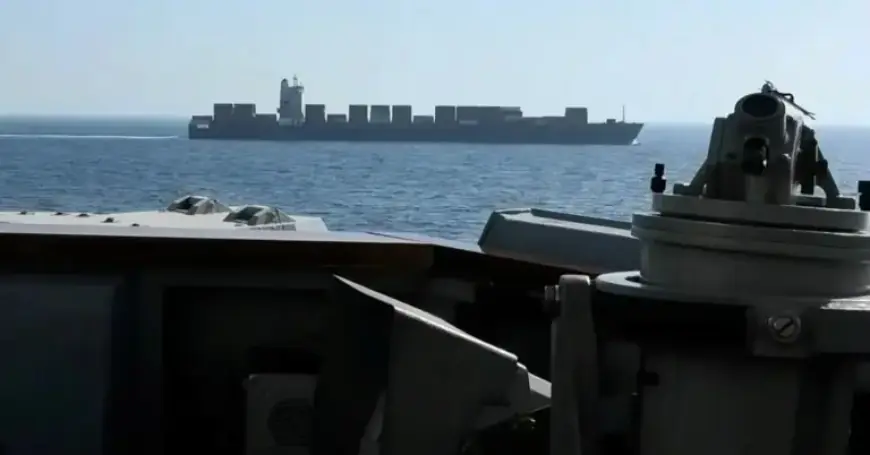
The U.S. military intercepted an Iranian-flagged cargo ship, identified as M/V Touska. Video released by U.S. Central Command showed Marines boarding the vessel from helicopters.
Washington said the ship likely carried dual-use cargo. Iran called the action “armed piracy” and warned of retaliation.
Strait of Hormuz and shipping
Iran briefly lifted then reimposed a blockade of the Strait of Hormuz. The channel typically carries about one-fifth of global oil and LNG supplies.
Shipping data showed traffic slowed sharply, with just three crossings in a 12-hour window. Oil traders pushed prices higher amid fears the ceasefire would fail.
Diplomacy, threats and international reactions
Pakistani mediator Field Marshal Asim Munir told U.S. leaders the blockade was undermining progress. Sources said President Trump agreed to consider ending the blockade.
U.S. officials signaled eagerness to reach an agreement quickly. Mr. Trump said his administration could deliver a better nuclear deal than the 2015 accord.
Iranian President Masoud Pezeshkian criticized mixed messages from U.S. officials. He said such signals suggested Washington sought Iran’s capitulation.
Chinese President Xi Jinping urged restoration of normal shipping and called for political solutions. Beijing had expressed concern over the interception.
Security build-up in Pakistan
Islamabad prepared to host the talks despite doubts over attendance. Nearly 20,000 security personnel were deployed across the capital.
The U.S. vice president, JD Vance, remained in the United States, according to sources. Reports that he had departed for Pakistan were denied.
Wider conflict consequences
Thousands of people have died since hostilities expanded on February 28. Parallel strikes and an Israeli invasion of Lebanon have further destabilized the region.
A truce in Lebanon is currently in effect. Washington planned a second round of ambassador-level talks between Lebanon and Israel this week.
Economic fallout
Oil prices rose roughly 5% amid the standoff. Regional production losses worsened market strain.
Iraq, Kuwait, Saudi Arabia and the UAE lost nearly 8 million barrels per day of crude output in March, analysts reported.
Filmogaz.com compiled reporting from multiple sources for this update on Iran, U.S. talks in Pakistan, and the ongoing blockade dispute.