

























Sid Rosenberg Apologizes After Mamdani Slams 'Bigotry' and WABC Defends Him

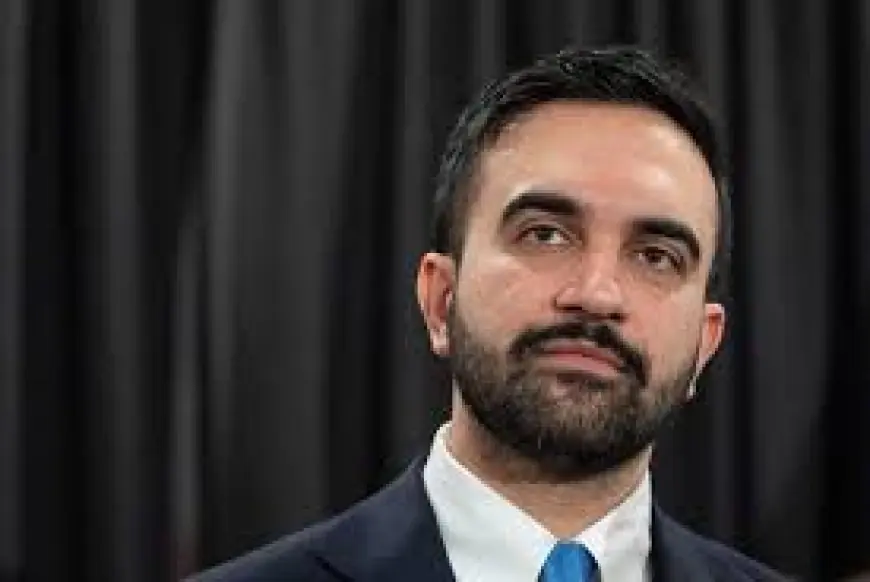
Sid Rosenberg has issued an apology after an on-air attack on Mayor Mamdani that drew a formal rebuke from the mayor and a public defense from the host’s station. The swift sequence of actions — the attack, the mayor’s condemnation, the station’s response and the apology — has made the exchange a focal point of local debate.
Sid Rosenberg apology and on-air remarks
The right-wing radio host Sid Rosenberg apologized following comments directed at Mayor Mamdani that were described as an attack. The apology is a concrete action taken by Rosenberg after the remarks prompted pushback from the mayor. The broadcaster’s statement of regret represents one immediate consequence of the controversy, closing one chapter in a dispute that began with the on-air remarks.
Mayor Mamdani slams 'bigotry' and WABC defends the host
Mayor Mamdani publicly condemned the remarks, labeling them bigotry, an official rebuke that escalated the matter beyond routine broadcast criticism. In response, the station that carries Rosenberg issued a defense of the host, standing by him even as the mayor denounced the comments. Those two institutional reactions — a mayoral denunciation and the station’s defense — directly preceded Rosenberg’s apology and illustrate the cause-and-effect chain: the host’s remarks prompted an official condemnation, which in turn prompted a station statement and the host’s subsequent apology.
What makes this notable is the rapid sequence of responses from distinct authorities: a municipal leader’s moral condemnation, a corporate or station-level defense, and the on-air personality’s own corrective statement. The interaction highlights how remarks made on broadcast platforms can trigger official rebukes and force on-air talent to respond publicly.
Responses and implications for public discourse
The mayor’s use of the term bigotry signaled an escalation that transformed the exchange from a contentious broadcast segment into a civic issue. The station’s decision to defend Rosenberg constitutes an organizational action that affected the public dynamics, creating pressure that culminated in the apology. Those three actions — the mayoral denunciation, the station’s defense, and the host’s apology — are measurable steps that map a clear cause-and-effect sequence.
The apology itself represents a specific remediation measure taken by Rosenberg and could shape how listeners and local officials interpret the incident going forward. It also formalizes the end of the immediate cycle of confrontation: initial attack, public rebuke, institutional backing, and contrition from the host.
While this sequence is now complete in its early stages, the interplay among a municipal leader, a broadcast outlet, and an on-air host demonstrates how commentary can rapidly move from station airwaves into public and political realms. The mayor’s condemnation and the station’s defense each functioned as decisive triggers that influenced Rosenberg’s response.
Sid Rosenberg’s apology does not erase the earlier remarks, but it does represent the final confirmed development in this series of actions. The mayor’s labeling of the comments as bigotry and the station’s subsequent defense framed the debate that Rosenberg’s apology addressed.
Observers will likely watch whether the apology affects broader conversations between media figures and public officials, and whether the station or municipal office takes any further steps. For now, the publicly documented sequence of an on-air attack, a mayoral denunciation, a station defense and an apology stands as the confirmed record of events.