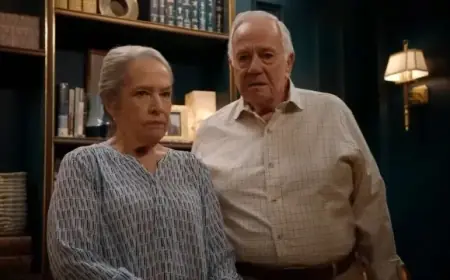

























Resident Evil Requiem launches as Resident Evil 9, with split campaigns and a split identity

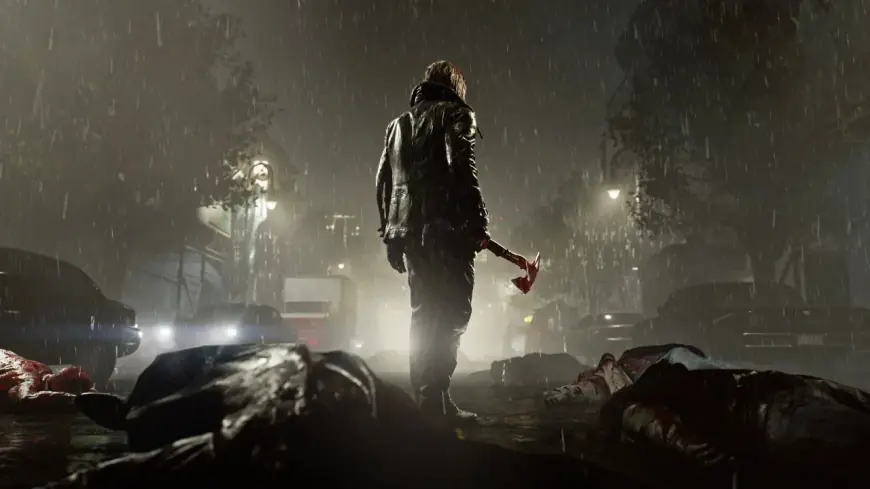
Resident Evil Requiem is here as Resident Evil 9—also shortened to RE9 or re9—and it’s built around a simple, polarizing idea: one game, two moods. The headline feature is a dual-protagonist structure that alternates between FBI analyst Grace Ashcroft and series mainstay Leon S. Kennedy, letting the story swing from fragile, nerves-first survival horror to confident, weapon-forward action.
For anyone searching the practical details first: the Resident Evil Requiem release date is February 27, 2026, with console editions generally unlocking at local midnight. In U.S. Eastern Time, that means 12:00 a.m. ET on February 27 for most console players in the Eastern time zone. On PC, the unlock has been handled more like a “global moment,” with many players in the U.S. seeing it go live at 10:00 p.m. ET on February 26—effectively the night before the headline date, depending on where you live and how your store counts time.
Resident Evil Requiem release date, release time, and why some regions see an earlier unlock
The small wave of confusion around Resident Evil Requiem release time isn’t really a contradiction so much as a collision between two distribution philosophies.
Console releases often follow the familiar rule: your region hits midnight, your copy unlocks. That creates a rolling launch around the globe and makes “release day” feel consistent locally. PC releases, by contrast, are frequently tied to a single coordinated unlock, so everyone gets access at roughly the same moment, even if that moment lands on the previous calendar day in some time zones.
That’s why you’ll hear players say “it’s out on the 26th” and “it’s out on the 27th” in the same breath. Both can be true. If you’re in the U.S. Eastern Time zone and playing on PC, the common live moment has been around 10:00 p.m. ET on February 26. If you’re on console in the same time zone, you’re typically looking at 12:00 a.m. ET on February 27. Move west, and the calendar-date mismatch becomes even more noticeable.
The end result: “Resident Evil Requiem release date” remains February 27, 2026 for marketing and most regional calendars, but “Resident Evil Requiem release time” is the detail that decides whether you’re playing on the night of the 26th or after midnight on the 27th.
Resident Evil Requiem review talk: Grace Ashcroft brings the fear, Leon brings the past
Early Resident Evil Requiem review chatter has clustered around a surprisingly consistent theme: the opening hours are the strongest argument for the game’s existence, and they work best when Grace is in control. Requiem’s smartest move is not just introducing a new lead, but making her feel meaningfully underpowered. The first stretch is designed to remind players that the scariest Resident Evil isn’t about landing headshots—it’s about second-guessing every door, every sound, every detour that might cost you ammo you can’t easily replace.
Grace’s sections tend to emphasize caution, resource triage, and a kind of slow-burn dread that thrives on uncertainty. It’s the sort of pacing that makes a hallway feel like a decision rather than a path. That’s also where “re requiem” feels most like a statement: the series can still be a horror game first without pretending it never learned how to do blockbuster spectacle.
Then Leon arrives, and the game begins negotiating with its own history. Leon is naturally associated with competence, and Requiem leans into that, shifting the rhythm toward more direct confrontation and toward callbacks that longtime fans will recognize immediately. For some players, that’s the payoff: a familiar anchor, a veteran presence, a sense that Resident Evil 9 is willing to embrace its legacy instead of running from it.
For others, that same pivot is the core complaint. When the narrative starts orbiting Leon, the gravity of nostalgia can flatten what made Grace’s opening feel distinct. It’s not that the action-forward sections are poorly made. It’s that they risk turning the back half into a tour of references at the expense of the new character the game just taught you to care about.
That tension is also a business reality. Resident Evil is no longer one audience. It’s multiple audiences with different definitions of what “classic” means. Requiem tries to satisfy both camps in one package, and the result is a game that can feel like two excellent ideas sharing the same runtime—and sometimes competing for oxygen.
How long is Resident Evil Requiem? What RE9’s playtime looks like in practice
If you’re asking “how long is Resident Evil Requiem,” the most common early estimates land in a fairly tight band: roughly 9–10 hours for a brisk, story-focused run; around 13–15 hours for a first playthrough that includes exploration, backtracking, and careful scavenging; and something closer to 16–18 hours for players who are determined to uncover most secrets and optional content.
That spread tracks with the design philosophy here. Requiem isn’t trying to be a sprawling open-world checklist. It’s built for density: puzzles that gate progress, locked routes that open later, and a steady drip of upgrades that transform earlier spaces from threatening to manageable. The more you play like a cautious survivor—reading clues, double-checking rooms, revisiting old locks—the longer the game gets, because the environment is constantly asking whether you truly searched it or just passed through it.
The dual-protagonist structure also changes how the length feels. Even if your clock says 12 hours, the texture of those hours varies sharply: Grace’s time often feels slower because you’re measuring danger in footsteps and shadows, while Leon’s time can feel faster because confidence turns movement into momentum. That contrast can make RE9 feel longer than it is for some players, and shorter than it is for others, depending on which half you enjoy more.
Requiem’s launch has also been marked by conspicuously high early engagement on PC, with concurrent player counts spiking to franchise-leading levels in the first days, and an even higher peak arriving shortly after release day. That kind of opening-week turnout matters because it creates pressure in two directions at once: keep the broader, crowd-pleasing “greatest hits” energy that pulls in a mass audience, but don’t dilute the sharper horror identity that made the first hours land.
That’s the real question hanging over Resident Evil Requiem now that it’s in players’ hands. Is the future of Resident Evil 9’s formula a permanent split—one character for fear, one for power—or will the next mainline entry commit more clearly to a single tone? The answer won’t come from what the game is. It’ll come from what players reward.