
























March Full Moon 2026: Exact ET Times, Hawaii Front-Row Plans and the ‘Blood Moon’ Sky Spectacle

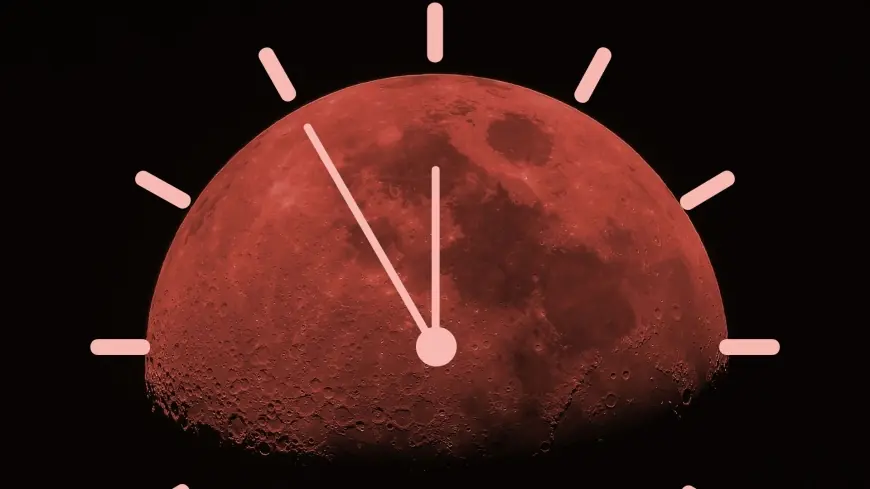
The March Full Moon 2026 will produce a dramatic blood moon visible across wide swaths of the globe, delivering a total lunar eclipse that many observers will not want to miss. This event matters because it offers a long totality window, broad geographic visibility and a rare selenelion opportunity for East Coast viewers.
March Full Moon 2026: Key Eastern time viewing schedule
Skywatchers should note the sequence of shadow contacts and the narrow window of totality expressed in Eastern time (ET):
- Penumbral phase begins when the moon first enters Earth’s penumbral shadow at 3: 44 a. m. ET.
- Partial phase begins at 4: 50 a. m. ET, when Earth’s umbral shadow begins taking a visible bite out of the lunar disk.
- Totality begins at 6: 04 a. m. ET and lasts for approximately 58 minutes; the maximum eclipse occurs around 6: 33 a. m. ET.
- The overall duration of the eclipse, from the initial penumbral contact through exit, is about 5 hours and 39 minutes.
The blood-red coloration will be most pronounced during totality, when the moon is fully immersed in Earth’s umbral shadow and illuminated only by sunlight filtered through Earth’s atmosphere.
Why Hawaii gets a front-row seat to the March Full Moon 2026
Hawaii will be among the best-placed locations to witness totality in full. Local organizers are hosting a community watch party on the night before the event, running Monday, March 2 from 11: 00 p. m. to 2: 30 a. m., with telescope access, binoculars and planetarium programming. The moment of maximum eclipse in local time is expected around 1: 30 a. m. early Tuesday.
Organizers emphasize family-friendly activities and opportunities for public engagement, with resources made available for learners and keiki. For residents in Hawaii, this eclipse is notable: if missed, the next well-placed total lunar eclipse will be on December 31, 2028.
Who will see the blood moon and where — plus the East Coast selenelion
The total lunar eclipse will be visible across large regions. Observers in North America, Australia and East Asia will be able to see at least some portion of the event. The eclipse will also be visible over the entire Lower 48, Alaska and Hawaii; Alaska, Hawaii and the western two-thirds of the Lower 48 will be able to view the entire duration of totality.
For East Coast viewers, the timing of totality coincides with moonset and sunrise, creating the conditions for a selenelion — a rare sight where the eclipsed moon and the rising sun appear above the horizon at the same time. That simultaneous view depends on local horizon conditions, so observers should select an unobstructed eastern horizon for the best chance to witness the selenelion.
How long the spectacle lasts and why the color varies
Totality will last for roughly 58 minutes during the March Full Moon 2026, but the visual impression of the eclipse can vary. The color the lunar disk takes on during totality depends on how sunlight is filtered through Earth’s atmosphere; thin atmospheric conditions tend to produce brighter, redder eclipses, while heavy atmospheric particulates can darken or mute the effect. The partial phase that precedes and follows totality will be less visually dramatic but marks the progression of the shadow across the lunar surface.
Practical viewing tips and final notes
- Plan to observe during the ET windows listed above and allow time to reach a dark, unobstructed viewing site.
- Bring binoculars or a small telescope for detail; totality is the prime interval for striking color and surface contrast.
- Hawaii offers community events with equipment and planetarium shows for families and first-time viewers.
Over 40% of the world’s population — more than three billion people — will be positioned to see at least some of the total phase of this lunar eclipse. The March Full Moon 2026 is therefore a broadly accessible astronomical event, and it will be the last total lunar eclipse anywhere on Earth until New Year’s Eve 2028–2029. Observers should keep local sky and weather conditions in mind; schedule details are subject to local horizon and cloud cover.