























Nasdaq Futures: Markets Watch After Strikes as Trump Vows to ‘Avenge’ Service Members

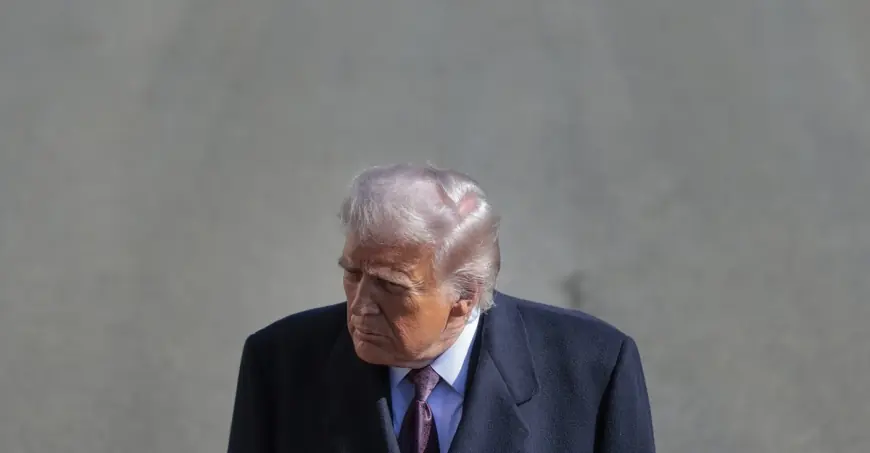
U. S. and Israeli strikes on Iran that killed a senior Iranian leader were followed by the announcement that three U. S. service members were killed and five more were seriously wounded, prompting President Trump to vow to avenge the deaths and to say combat operations continue. Trump told an interviewer shortly before 9: 30 a. m. ET that Iranian leaders want to resume negotiations and that "I Have Agreed to Talk, " though he did not provide timing. Nasdaq futures are being watched as one of several barometers for how investors respond to the unfolding events.
Nasdaq Futures in focus
With major geopolitical developments unfolding, market participants will be monitoring nasdaq futures as an early indicator of risk appetite. The context available does not include live market readings, so it remains unclear how trading has reacted in the immediate term. The behavior of nasdaq futures, along with other market benchmarks, will be monitored for signs that investors are repricing geopolitical risk.
Trump vows to 'avenge' U. S. service members
Following the strikes, the president framed the operation as a significant blow to Iranian leadership and said he planned to hold those responsible to account. He urged the Iranian public to seize the moment and suggested a popular uprising could follow the campaign. When asked whether support for such an uprising would be prolonged, he was noncommittal, saying he would evaluate the situation as it unfolds. He also noted that some people involved in recent negotiations are no longer alive, describing the action as a "big hit. "
'I Have Agreed to Talk' and next steps
The president said Iranian leaders want to resume negotiations and that he has agreed to speak with them, without specifying a date. He acknowledged that some of the Iranian individuals who had been negotiating in recent weeks are dead and said that timing for talks was unclear. Military officials announced the casualties among U. S. service members following the operation. If combat operations continue, that continuity could increase the risk to deployed forces; conversely, any concrete scheduling of talks could become a key de-escalation signal.
- Strikes on Iran killed a senior leader; three U. S. service members were killed and five seriously wounded.
- The president said he has agreed to talks with Iranian leaders but would not confirm timing.
- Observers will watch nasdaq futures and other market gauges for early reactions and risk repricing.
What happens next will hinge on combat operations, any formal diplomatic outreach, and how markets interpret those signals. If military activity remains elevated, further casualties or broader escalation are possible; if talks move forward, that could ease pressure on risk-sensitive assets. At this time, the timing and outcome of any diplomatic contacts are unclear.