
























Burger King Overhauls the Whopper for the First Time in Nearly a Decade After Years of Customer Complaints

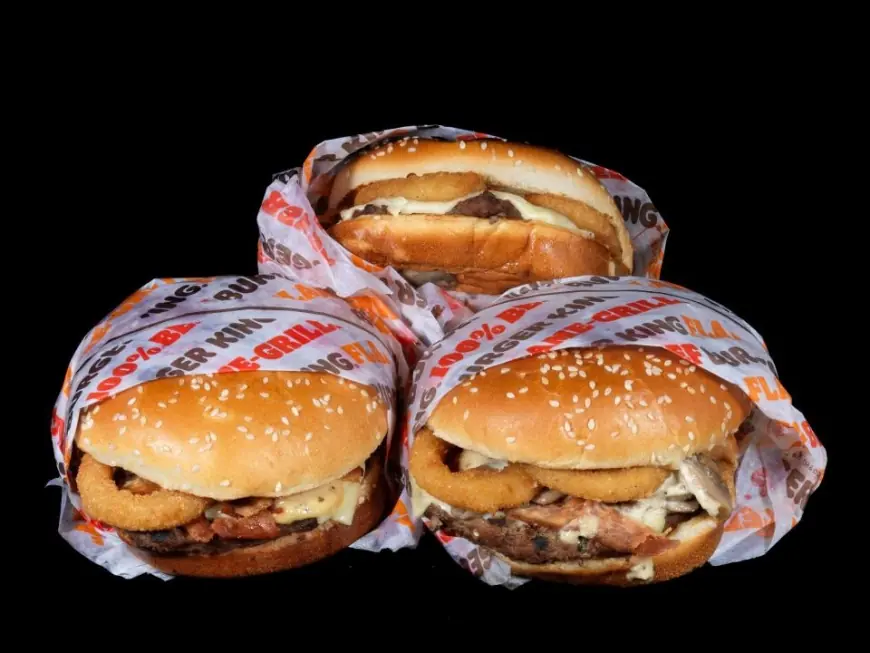
Burger King announced Thursday, February 26, that it is rolling out its first meaningful changes to the Whopper in nearly ten years, driven directly by customer feedback about smashed, falling-apart burgers. The upgrade replaces the existing soft bun with a more premium version, swaps in a new creamier mayonnaise, and ditches paper wrapping in favor of a rigid box designed to keep the burger intact from kitchen to customer. The changes are live now across all 7,000-plus US locations.
What Changed — and What Stayed the Same
The updated Whopper still arrives stacked with freshly cut onions and tomatoes, crisp lettuce, tangy pickles, and the same more than a quarter-pound of 100% flame-grilled beef that has defined the sandwich since its introduction in 1957. The patty itself is untouched — a deliberate choice that signals how carefully the chain is managing brand loyalty through the transition.
Tom Curtis, president of Burger King US and Canada, described the philosophy plainly: "You don't want to just tear up the playbook and start all over. It's like we're putting our famous iconic burger in a tuxedo instead of a leisure suit." Curtis spent recent weeks taking calls directly from customers to gather input before finalizing the changes, an unusually public way to stress-test a flagship product before relaunching it.
The creamier mayonnaise came specifically from franchisee requests for a more premium ingredient, while the box packaging addresses the structural complaint Curtis heard most often: "So the Whopper being smushed, literally — I've heard it and we've seen it." The box holds the burger's height intact in a way the old flat paper wrap could not.
The Franchisee Math and Why This Is a Calculated Risk
The upgrade will cost each Burger King franchisee an additional $4,000 per year, and the company has advised local owners not to pass that cost on to inflation-weary consumers. That is a meaningful ask at a moment when labor costs remain elevated and margins at quick-service restaurants are already under pressure.
The original Whopper sold for 37 cents at launch in 1957 — roughly $4.36 in today's dollars. Contemporary pricing varies significantly by market, and any franchisee tempted to absorb the new ingredient and packaging costs through a price increase risks accelerating customer defection in the exact demographic Burger King is trying to recapture.
US same-store sales rose 3.2% in the most recent quarter, giving the brand enough momentum to justify the investment — but consumer research professionals note the risk is real. Changing a flagship item in an uncertain economic environment introduces friction at the moment of purchase for the brand loyalists who order on muscle memory and may notice even subtle differences.
Whether the Bet Pays Off
The announcement arrives as McDonald's simultaneously unveiled plans for its biggest burger ever, framing the Whopper upgrade as both an internal quality push and a competitive response to the broader battle for the premium fast-food burger customer. Burger King is explicitly targeting lapsed fans who drifted away — people Curtis says he meets constantly who tell him they haven't had a Whopper in years but remain nostalgically attached to the brand.
The chain operates more than 19,000 locations across 120 countries and US territories, nearly all of them independently franchised, which means execution consistency will ultimately determine whether the premium bun and new box translate into a meaningfully better experience nationwide — or whether the gap between marketing promise and in-restaurant reality persists as the chain's central challenge.