























How decades of consolidation — and last June’s strikes — set the stage for Ali Khamenei’s end

Why this moment matters now: ali khamenei’s death is not an isolated battlefield casualty but the culmination of a targeted campaign and long-term centralisation of power that leaves Iran facing an unusually fragile succession and broad uncertainty. Young Iranians who never knew life without him, a security elite already drilled by last June’s 12-day war, and street-level divisions across the country all feel the immediate shock.
Ali Khamenei and the power structure that shaped this moment
Khamenei led an all-powerful office: head of state and commander-in-chief of the armed forces, including the elite Revolutionary Guards. He operated at the center of overlapping power centres, able to veto public policy and hand-pick candidates for office. At home he pulled the strings while state television tracked his every move; his image was plastered on billboards and his photograph was ubiquitous in shops. Young Iranians had never experienced life without him in charge.
What unfolded this week — embedded facts, not a step-by-step play-by-play
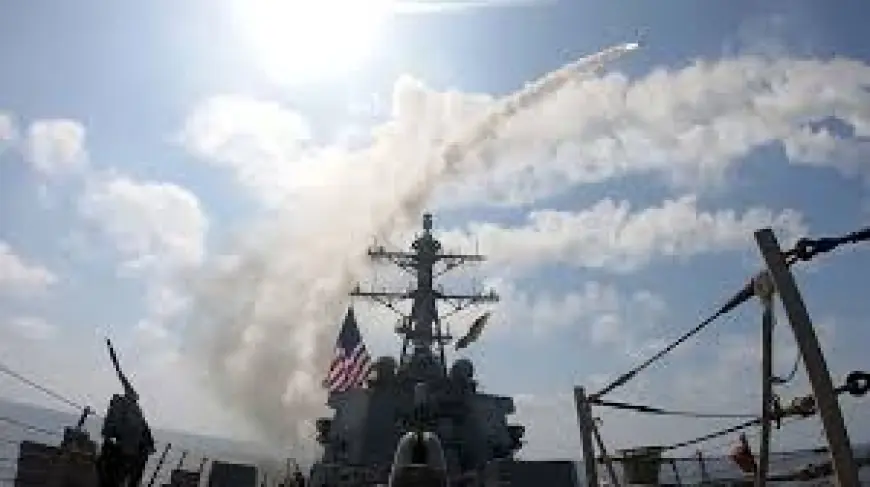
His residence was targeted in the first wave of massive US and Israeli strikes; satellite images showed significant damage to his compound. Initial Iranian statements said he had been taken to a safe place; a planned state television speech did not materialise. By early evening Benjamin Netanyahu said there were many signs the supreme leader "is no longer" in a televised address. US President Donald Trump announced the death on his social media platform, and hours later an Iranian state TV presenter, visibly upset, announced the passing, invoking a description of the leader as a "steadfast mountain" who "drank the sweet pure draught of martyrdom. " A period of forty days of mourning was announced, and pro-government events began to grieve his passing as the second day of war dawned. At the same time, videos circulated of celebrations in some Iranian cities and of jubilant scenes in Iranian communities abroad that greeted the end of his hardline rule and expressed hope it marked the end of the Islamic regime. Iran launched retaliatory strikes after the killing.
How last June’s 12-day war connects to today
The security calculus has been shaped by a recent concentrated campaign. During the 12-day war last June, on the first night Israel assassinated nine nuclear scientists and a number of security chiefs; in the days that followed more senior scientists and at least 30 leading commanders were killed. It was clear then that the Ayatollah could also be in their sights. Khamenei spent that war in his special bunker and had been drawing up lists of security officials who could immediately step into place to avoid any vacuum at the top echelons.
Biographical and institutional layers that matter for what comes next
Ali Khamenei was born in the city of Mashhad in 1939, the second of eight children in a religious family; his father was a mid-ranking cleric from the Shia branch of Islam. He later described a childhood of "bread and raisins. " His education was dominated by study of the Quran and he qualified as a cleric by the age of 11. For years he lived underground or in jail, arrested six times by the shah's secret police and subjected to torture and internal exile. After the Islamic Revolution of 1979, Ayatollah Ruhollah Khomeini appointed him Friday prayer leader of Tehran; weekly political sermons were broadcast nationwide and established him within the new leadership. Iran has had only two supreme leaders since that revolution, a fact that underscores the scale of the transition now under way. In the revolution’s aftermath, militant university students loyal to Khomeini occupied the US embassy, and dozens of diplomats and embassy staff were taken hostage.
- Mini timeline:
- 1979: Islamic Revolution and the hostage crisis following the embassy occupation.
- Last June: a 12-day war in which nine nuclear scientists and many commanders were killed; at least 30 leading commanders died in the days that followed.
- This week: residence targeted in the first wave of US and Israeli strikes; damage visible by satellite; announcements and denials culminated in state TV confirmation of death and the declaration of 40 days of mourning.
- The immediate forward signal: how Iran’s senior clerics and commanders activate pre-prepared succession lists will be a crucial indicator of whether a vacuum is avoided.
Here's the part that matters for regional stability: the combination of a centralised, personalised power structure and a security elite already depleted by targeted killings makes the immediate political transition unusually fraught. The death in such violent circumstances heralds a new and uncertain future for Iran and the wider region.
It's easy to overlook, but preparations Khamenei had put in place for rapid replacement of security officials show senior circles expected a scenario that could threaten continuity. The real question now is who among the clerical and military elites will move first and how public reaction—ranging from organized mourning to public celebrations—will shape the early days of succession.
What’s easy to miss is that the domestic imagery—ubiquitous portraits, televised sermons and tightly controlled institutions—means any leadership transition will play out not only inside power corridors but across public space, where expectations and grievances have been building for decades.