

























Ali Khamenei: How three decades of control and recent strikes set the stage for a sudden, uncertain end

Why this matters now: For decades ali khamenei shaped Iran’s politics and public life; the events described here show that his sudden death — announced amid massive US and Israeli strikes — was the product of a trajectory of targeted attacks and contingency planning inside Iran. The gap left by his loss matters because young Iranians have never known a country without him, and state institutions had been preparing for a rupture.
Ali Khamenei and a state built to survive upheaval
This is a defining moment for the Islamic Republic of Iran, but the most powerful clerics and commanders had been preparing for precisely this type of shock. Ali Khamenei headed an all-powerful office: he was head of state and commander-in-chief of the armed forces, including the elite Revolutionary Guards, with the ability to veto public policy and influence candidate selection. Young Iranians have never experienced life without him in charge; state television covered his every move, his image appeared on billboards and his photograph was ubiquitous in shops. What’s easy to miss is how those symbols masked a parallel reality of contingency lists and bunker planning meant to prevent a leadership vacuum.
What unfolded during the strikes
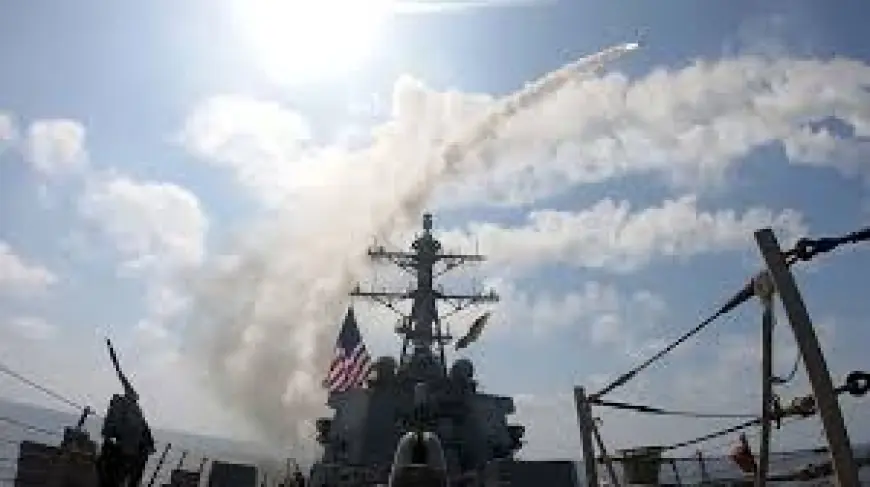
On the first day of massive US and Israeli air strikes on Iran, the supreme leader’s residence was targeted in the first wave of strikes, and satellite images showed significant damage to his compound. Initial official Iranian messaging said he had been taken to a safe place, and there were expectations he would speak on state television that did not materialise. US President Donald Trump announced the leader’s death on his social media platform, and the death of the 86-year-old ruler was later confirmed on Iranian state TV. The sequence included public denials and foreign statements pointing to convincing evidence he was dead.
Immediate aftermath: confirmation, mourning and pockets of celebration
Following the confirmation, a period of forty days of mourning was announced and pro-government events began to grieve his passing as conflict continued into a second day. At the same time, videos emerged of celebrations in some Iranian cities and expressions of joy in Iranian communities abroad, with some hoping the end of his hardline rule signalled the end of the Islamic regime. Here’s the part that matters: parallel public sentiment — grief in official circles and celebration elsewhere — signals a fracturing of national narratives at a critical moment.
A compact timeline of recent shocks
- Saturday morning: the supreme leader’s residence was targeted in the first wave of strikes; satellite images later showed significant damage to his compound.
- First day of strikes: Ayatollah Ali Khamenei was killed, as US President Donald Trump announced; confirmation arrived later on Iranian state television.
- Earlier (last June): a 12-day war concentrated minds — on its first night Israel assassinated nine nuclear scientists and several security chiefs; days later more senior scientists and at least 30 leading commanders were killed.
- During that war: Khamenei spent time in his special bunker and was drawing up lists of security officials who could step into place to avoid a vacuum.
The forward signal to monitor now is whether those contingency lists are enacted and how public rituals of mourning and moments of celebration shape political authority in practice.
Background that shaped the man and the rule
Ali Khamenei was born in the city of Mashhad in north-eastern Iran in 1939, the second of eight children in a religious family; his father was a mid-ranking cleric from the Shia branch of Islam. His education focused on the Quran and he qualified as a cleric by the age of 11. He became an effective orator and joined critics of the Shah, living underground at times and spending periods in jail; he was arrested six times by the shah's secret police and endured torture and internal exile. After the Islamic revolution, he was appointed Friday prayer leader of Tehran, with weekly political sermons broadcast nationally that established him in the new leadership. In the tumultuous months after the revolution, a group of militant university students loyal to Khomeini occupied the US embassy and dozens of diplomats and embassy staff were taken hostage.
The death of ali khamenei, in such violent circumstances, heralds a new and uncertain future for Iran and the wider region. The real question now is how the internal succession mechanisms and the public mood — divided between official mourning and popular celebration — will interact as retaliatory strikes and political maneuvering continue. It is unclear in the provided context how long those dynamics will take to play out.
It’s easy to overlook, but the recent 12-day campaign of targeted killings and the fact that Khamenei had been preparing replacement lists are the clearest indicators that Iran’s senior leadership expected the possibility of a sudden rupture. This was not an unanticipated moment; it was the culmination of a series of strikes and preparations that transformed a long-standing monopoly of power into an immediate succession test.