
























Opinion: Navigating Iran’s Complexities—Why No Regime Change Offers a Quick Fix

The recent military actions taken by the United States and Israel have reignited discussions surrounding regime change in Iran. While these attacks may aim to destabilize the current leadership, particularly the Islamic regime, the strategy is fraught with complications and potential consequences.
Complexities of Regime Change in Iran
On February 28, both U.S. President Donald Trump and Israeli Prime Minister Benjamin Netanyahu expressed hopes that military actions would propel Iranian citizens to rise against their leaders. However, this expectation oversimplifies the profound complexities within Iran.
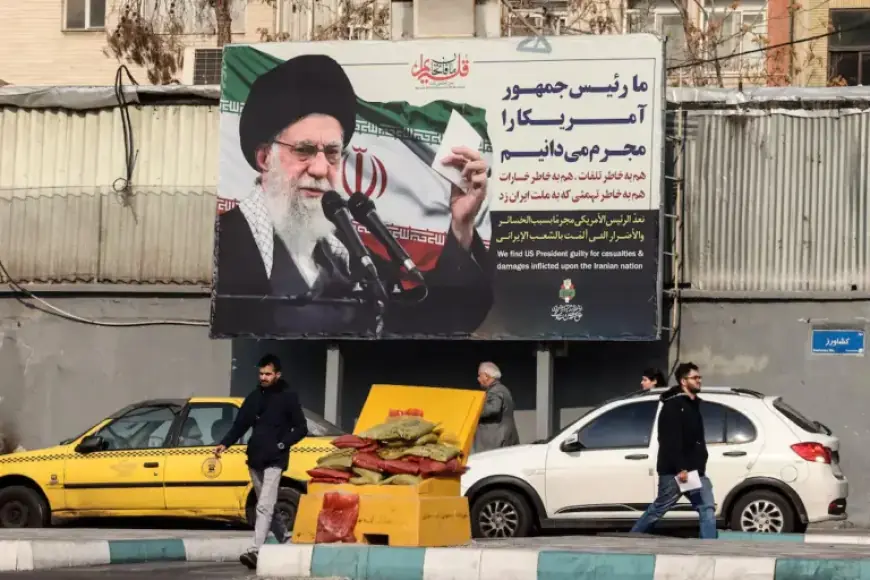
The desire for change within Iran is notable, as demonstrated by the recent protests against the regime. Dissidents in Tehran celebrated the prospect of change, including the death of Supreme Leader Ayatollah Ali Khamenei, viewing it as a long-awaited opportunity. Yet, the reality is much more intricate.
The Fragmented Nature of Iranian Politics
Unlike countries with more centralized governance, Iran’s political landscape comprises various factions and power centers. Attempts to remove Khamenei do not guarantee a straightforward transition. It raises crucial questions regarding potential successors and governance structures.
- The Iranian Revolutionary Guard Corps (IRGC) holds significant military and economic power.
- Iran’s judiciary and legislature operate independently with distinct loyalties.
- Different factions within Iran have varying visions for the future—ranging from democracy to monarchy.
Simplifying these complexities, the U.S. and Israeli objectives may ultimately clash with internal Iranian aspirations. Many see any imposed leadership as a betrayal, potentially igniting further unrest.
Regional and Global Perspectives on Iran
Several regional players, including Qatar and Saudi Arabia, share an interest in diminishing Iran’s regional influence but have divergent goals. Some seek a weakened Iran, while others prefer stability over chaos. The overlapping interests reveal a convoluted web of motivations toward Iranian regime change.
Israel and its allies primarily want to limit the IRGC’s threat, particularly in relation to groups like Hezbollah and Hamas. Saudi Arabia is focused on curbing Iran’s missile capabilities to prevent regional threats. Meanwhile, the UAE and Qatar are more inclined toward establishing constructive economic relationships with a stable Iran.
The Dangers of Misguided Intervention
External intervention aimed at fostering regime change often overlooks the multifaceted nature of Iranian society and governance. The lack of a unified opposition complicates any foreign attempts to orchestrate a significant transformation.
This fragmentation leads to a critical realization: even if foreign efforts succeed in toppling current leadership, they do not ensure a favorable outcome for most Iranians or neighboring countries.
Conclusion
Iran’s sociopolitical complexities present a formidable challenge for any regime change initiatives. The absence of a clear, unified vision suggests that external actions may fall short of producing the desired results. As events continue to unfold, the focus must remain on understanding these intricate dynamics rather than seeking quick fixes.