























Op-Ed: Engaging Iran in War Is a Strategic Misstep

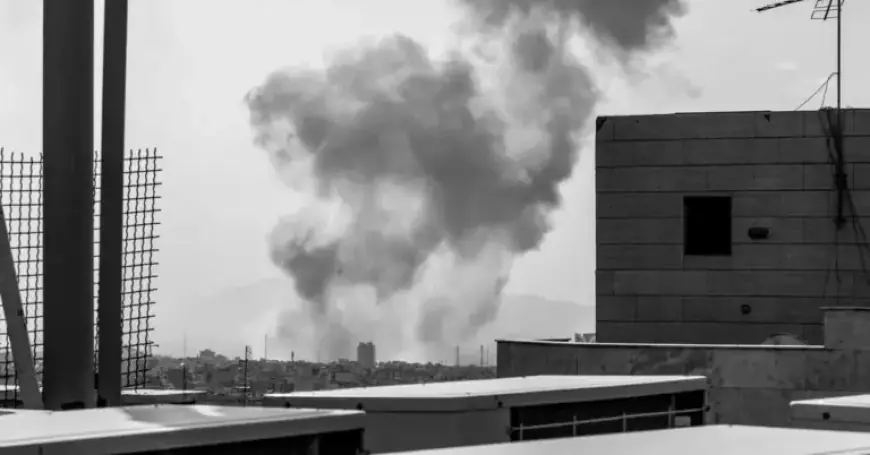
As tensions rise, the engagement of the United States in a military conflict with Iran raises numerous strategic concerns. President Trump’s military campaign appears aimed at achieving regime change in Iran, a nation that boasts a population of over 90 million people. However, the feasibility of such ambitious goals remains questionable given the historical context and the complexities involved.
Potential Risks of Engaging Iran in War
The current military strategy echoes past interventions that often led to unforeseen consequences. The administration’s promise to dismantle Iran’s military capabilities and nuclear ambitions is undermined by an alarming lack of clarity regarding the potential costs involved. The previous U.S. experiences in nations such as Vietnam, Afghanistan, and Iraq highlight the unpredictable nature of warfare.
The Efficacy of Airstrikes
Air attacks alone have not proven reliable in toppling entrenched governments. The U.S. military operations in Yemen, costing over $7 billion, failed to dislodge the Houthis, despite their lack of popular support. Thus, the assumption that airstrikes can effectively dismantle the Iranian regime, which has shown resilience against previous aggressions, warrants skepticism.
- Historical examples demonstrate the challenges of aerial warfare.
- Current intelligence suggests Iran is not in a position to pose a significant threat to U.S. interests.
- Military operations deplete resources crucial for future confrontations, especially in Asia.
The Human Cost
The Iranian government faces accusations of brutal oppression, having allegedly executed over 6,800 civilians during recent protests. A strategy focusing solely on military solutions ignores viable alternatives for addressing human rights abuses.
A Diplomatic Approach
Diplomatic negotiations once showed promise in regulating Iran’s nuclear capabilities. The Joint Comprehensive Plan of Action (JCPOA), established under President Obama, offered a framework for limiting uranium enrichment in exchange for sanctions relief. The Trump administration’s withdrawal from this accord has contributed to contemporary tensions, complicating avenues for peaceful resolution.
Alternative Strategies
To undermine the Iranian regime effectively, the U.S. could focus on fostering internal opposition. This could involve:
- Facilitating communication among dissidents.
- Exposing governmental corruption through intelligence leaks.
- Supporting humanitarian efforts to safeguard protesters.
Historically, cultural movements, such as the dissemination of cassette tapes during the 1979 revolution, have proven influential in mobilizing public dissent.
Conclusion
In evaluating the potential implications of engaging Iran in warfare, one must prioritize caution and consider the lessons learned from previous conflicts. The stakes are high, and a military intervention without clear objectives could lead to increased instability both regionally and globally. As the U.S. reevaluates its stance, the focus should steer towards diplomacy and constructive engagement rather than another costly military endeavor.