























Ro Khanna Frame: How DOJ’s Withheld Epstein Files Could Shift Congressional Oversight and Political Risks

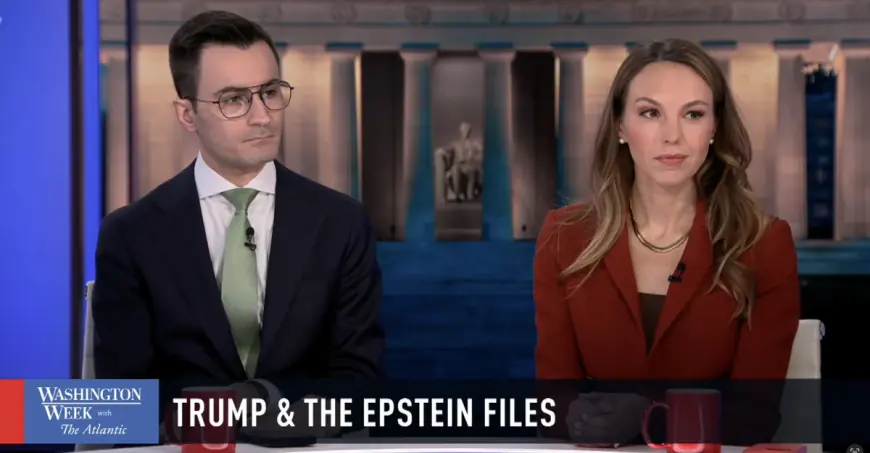
The missing records controversy matters because it changes how Congress can press the Justice Department on transparency and political accountability. For members whose names come up in public debate — including ro khanna as a shorthand for high-profile lawmakers — the dispute signals a sharper confrontation over what files are released, who sees unredacted material, and how that access is controlled.
Why the gap matters now and what could follow — Ro Khanna as shorthand for institutional pressure
Here’s the part that matters: the accusation that files tied to allegations against a sitting president were withheld puts the Justice Department under pressure to explain its review process and tagging decisions. The practical consequence is twofold — renewed congressional demands for full disclosure and an intensified political fight over which records are made public. For readers watching congressional oversight dynamics, names invoked in commentary like ro khanna have become shorthand for the broader expectations of members pushing for transparency.
What happened in the files and the immediate fallout
The top Democrat on the House committee probing Jeffrey Epstein said he personally viewed documents alleging sexual abuse of a minor against President Donald Trump that were not in the public release. The Justice Department replied that nothing has been deleted and said documents were withheld only if they were duplicates, privileged, or part of ongoing federal investigations.
- The Justice Department has released millions of files from federal investigations into Epstein, but some pages were redacted and other files were not released at all.
- Legislation requiring staged releases allowed the department to withhold material to protect active investigations or victims’ identities.
- some files flagged as missing — those related to documents produced to another defendant in discovery — would be reviewed; any wrongly tagged documents responsive to the transparency act would be published consistent with the law.
The top Democrat said the files he reviewed make clear that a woman made additional, specific allegations that are not reflected in the records publicly released. He and other Democrats plan to demand the remaining unreleased files, including those tied to the woman’s potential allegations, be released to the public. He has also written to the attorney general requesting publication of those materials.
White House commentary framed the release of thousands of pages and the signing of the transparency act as steps taken by the president, while the department emphasized review safeguards for ongoing prosecutions and victim privacy. What’s easy to miss is that those legal carve-outs are precisely the tools that can create the selective gaps now under dispute.
Micro timeline (embedded)
- Early 2000s: The public record notes a falling out between Epstein and the president was said to have occurred around this period.
- After legislation was signed, the Justice Department began staged releases of millions of pages from federal investigations.
- Recent review: Committee members say certain interviews and records tied to a survivor are missing from the department’s public archive and are pressing for release.
The real question now is whether the department’s promised review will resolve tagging errors quickly and whether Congress will accept the review process as sufficient.
Short Q&A to cut through the noise
Q: Who has seen the unredacted material? A: A member of Congress stated he viewed documents on the committee’s review platform as part of oversight responsibilities.
Q: Will the department publish anything found to be mis-tagged? A: The department said it will publish documents that are improperly tagged and responsive to the transparency law, consistent with legal limits.
Q: How does this change congressional leverage? A: Expect renewed demands for access and sharper oversight tactics as lawmakers press for clarity on what was withheld and why.
Final note: political fallout from the archive gap is already reshaping the oversight conversation and could prompt procedural changes in how records are reviewed and released. Observers and lawmakers will be watching whether the department’s internal review produces missing pages or only confirms lawful withholdings.
The bigger signal here is how statutory exceptions intended to protect investigations and victims can also create political flashpoints when those exceptions intersect with high-profile allegations.