























Burger King Whopper Changes Are Here — First Major Update in Nearly a Decade

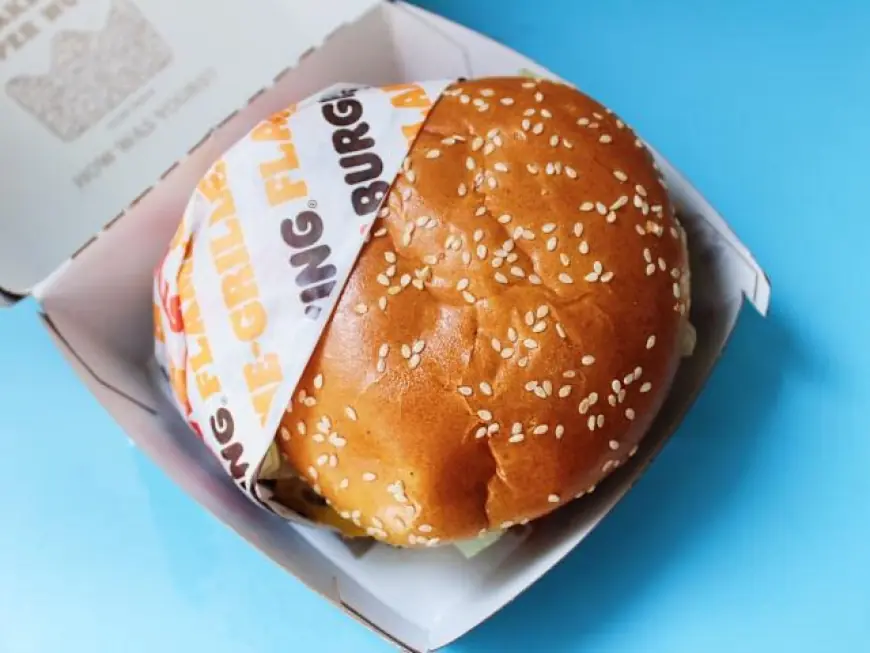
Burger King has officially rolled out the first significant Burger King Whopper changes in almost 10 years, responding directly to years of customer complaints about smashed, falling-apart burgers. The updated Whopper began hitting all 7,000-plus U.S. Burger King locations during the week of February 26, 2026, ET.
What Are the Burger King Whopper Changes?
The revamped Whopper arrives with three core upgrades, all driven by direct guest feedback. The most visible change is a new premium bun described as better tasting and structurally firmer than the previous soft roll that customers frequently complained turned soggy or collapsed under the weight of the toppings.
The second change is a creamier, higher-quality mayonnaise, a request that originated from franchisees who pushed corporate leadership for a more premium condiment to match the burger's flagship status. The third and arguably most operationally significant change is the packaging — the Whopper now arrives in a rigid box rather than the paper wrapper that allowed the burger to flatten and fall apart during delivery and drive-through handling.
The flame-grilled beef patty — still over a quarter pound of 100% beef — remains completely unchanged, as do the freshly cut onions and tomatoes, crisp lettuce, tangy pickles, and ketchup.
Burger King Listened to Customers — Literally
The Burger King Whopper changes were the direct result of an unusual customer outreach campaign. Tom Curtis, President of Burger King U.S. and Canada, personally invited guests to call or text him with feedback, then followed through by taking those calls himself. Curtis described the Whopper overhaul plainly: "It's like we're putting our famous iconic burger in a tuxedo instead of a leisure suit."
Curtis told reporters the complaints about smashed burgers were impossible to ignore. The new box packaging was specifically engineered to ensure the Whopper reaches customers in the same condition it left the kitchen — a persistent problem that had damaged brand perception over several years.
What the Burger King Whopper Changes Mean for Franchisees
The upgrades come at a cost. Burger King's corporate leadership has acknowledged that the enhanced Whopper will cost individual franchisees an additional $4,000 per year in operating expenses. Corporate has advised franchise owners not to pass that cost on to consumers through price increases, arguing the investment will ultimately lift sales volume and reverse customer attrition.
Industry analysts have noted the tension this creates. Labor costs remain elevated across the fast food sector, and asking franchisees to absorb additional ingredient and packaging expenses without a price adjustment requires a significant act of faith in the strategy.
Burger King Sales Are Rising Ahead of the Whopper Relaunch
The Whopper upgrade arrives at a moment of genuine momentum for Burger King. U.S. same-store sales rose 3.2% in the most recent quarter, a meaningful turnaround after a period of stagnation. Corporate leadership described the sales improvement as a sign that years of investment in restaurant modernization and operational consistency had created a stable enough foundation to justify elevated menu changes.
The chain has now focused that next phase squarely on the Whopper — the product that has defined Burger King since its introduction in 1957, when it sold for 37 cents. Adjusted for inflation, that original price is equivalent to roughly $4.36 today. The revamped Whopper is available now at Burger King restaurants nationwide.