























Iranian Retaliation Halts Middle East Flights, Stranding Tourists at Airports

The recent Iranian retaliation against U.S. bases in the Middle East has led to the unprecedented halting of civilian air traffic in the region. This disruption has left thousands of travelers stranded at major airports, including those in Dubai and Doha.
Impact on Flights and Travelers
As tensions escalated, authorities closed airspace over key routes, causing chaos for many passengers. Emirates, Qatar Airways, and Etihad Airways ceased all operations, marking a significant disruption to air travel.
Travelers Stuck at Airports
- Polish Foreign Minister Radosław Sikorski reported that “a certain number of Poles” are stranded.
- Italian Defense Minister Guido Crosetto is among those unable to leave Dubai after visiting family.
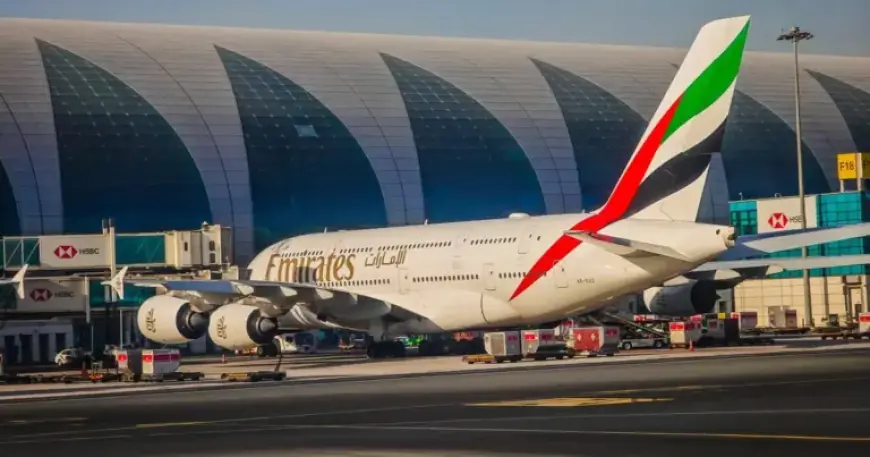
At Dubai International Airport, delays escalated rapidly, resulting in a complete suspension of flights for the first time in decades. Bloomberg reported that this chaos led to significant operational challenges at the world’s busiest airport.
Airlines’ Response
Emirates, known for its resilience during crises, canceled all flights until 3 AM on Sunday. Qatar Airways halted operations until midnight, while Etihad extended its flight suspension until Sunday afternoon. This decision highlights the severity of the situation.
Wider Regional Disruptions
- A drone strike at Kuwait’s airport resulted in minor injuries and limited damage to passenger facilities.
- The region is a crucial hub for global air travel, with many international flights connecting through Dubai and Doha.
The incident underscores the Middle East’s significance in international aviation, with local airlines operating large fleets to manage passenger flow. However, the recent disruptions challenge their operational capabilities.
Travelers are advised to remain updated on flight statuses and seek alternatives as the situation evolves. The coming days may bring further developments as air travel in the region adjusts to ongoing geopolitical tensions.