

























Nytimes Headlines Put Elite Doctors — ‘Use Dr. Eva’, Dubin and Mount Sinai — at Center of Epstein Files

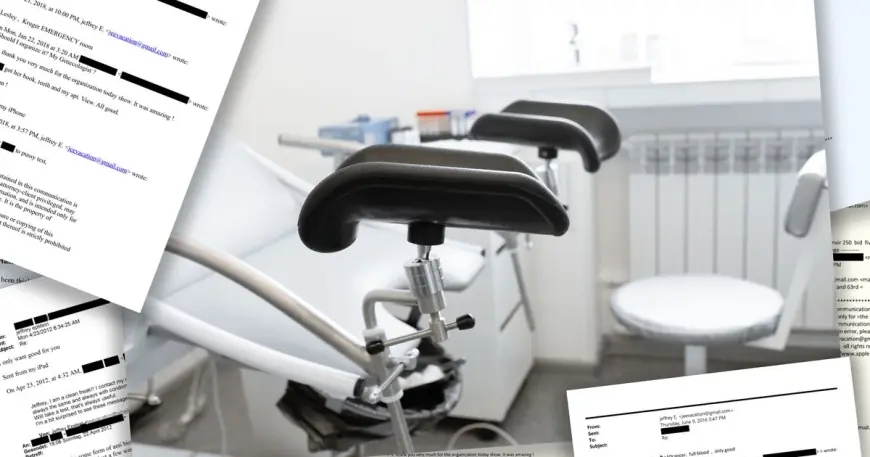
The nytimes-linked headlines and related file titles identify a circle of elite physicians, including a figure called "Dr. Eva, " Dr. Dubin and Mount Sinai, as having provided medical care to Jeffrey Epstein’s so-called "girls. " The naming matters now because it focuses scrutiny on medical roles and access hurdles that have affected public review of the materials.
Jeffrey Epstein and the ‘Girls’
Recent headlines and file summaries use the phrase "girls" in quotations when describing those Epstein paid to see medical care, and they explicitly link Jeffrey Epstein to a roster of physicians. The precise nature, frequency and locations of treatment are unclear in the provided context, and concrete timelines for the care are also unclear in the provided context.
Nytimes: ‘Use Dr. Eva’ and Reliance on Dubin, Mount Sinai
One headline includes the instruction "Use Dr. Eva, " while other material names Dubin and Mount Sinai as points of reliance. What makes this notable is that the files name individual practitioners and an institutional affiliation by title, drawing direct attention to medical actors rather than to only administrative or financial intermediaries.
The Doctors Who Helped Epstein Keep His ‘Girls’ in Shape
A separate title frames the coverage around how physicians contributed to the condition and maintenance of Epstein’s network. The contextual material contains those words precisely; however, it does not supply details about specific treatments, dosages, schedules or the identities beyond the names already cited. Those finer clinical details are unclear in the provided context.
Access Friction: Robot Check, JavaScript and Cookies
Efforts to reach the files have encountered an access prompt that instructs readers to click a single box to confirm they are not a robot. The message also requires that a browser support JavaScript and cookies and that those settings not be blocked. Because the site shows that robot check, users who have disabled JavaScript or cookies are prevented from continuing unless they change those settings; that barrier can inhibit immediate public review of headlines and documents and often forces additional steps.
Terms of Service, Cookie Policy and Support Contact
The access notice points readers to two policies — a Terms of Service and a Cookie Policy — for more information, and it instructs anyone with inquiries to contact a support team and provide the reference ID shown on the prompt. Those are explicit, actionable steps: click one box, confirm JavaScript and cookies are enabled, consult two policy documents and, if needed, contact support with the reference ID. The notice also invites users to obtain a subscription to receive global markets news, tying access incentives to a paid product.
The cause-and-effect is straightforward: the presence of an interactive robot check and the requirement to enable JavaScript and cookies cause a portion of readers to be blocked from immediate access; that blockage in turn requires either technical changes by the reader or contact with support using the reference ID, and it may push some users toward subscription options mentioned in the prompt. The exact number of readers affected or the reference ID format is unclear in the provided context.
Officials, medical names and institutional titles are all present in the assembled headlines and file titles, but the material here leaves many substantive elements open. It is unclear in the provided context who authorized individual treatments, what medical diagnoses were recorded, and how often the named doctors saw the individuals referenced. Those gaps mean that follow-up reporting and document review will be required to convert names and headlines into a full accounting of medical roles.
Still, the combination of named practitioners — "Dr. Eva, " Dubin and Mount Sinai — coupled with explicit phrases about elite doctors and maintaining the "girls, " places medical personnel squarely at the center of inquiry. The timing matters because public attention to personnel named in files can prompt institutional reviews and inquiries; whether that will occur is unclear in the provided context.