






















Ap rewind: How the 57th NAACP Image Awards finale in Pasadena crystallized a four‑night sweep and a cultural moment

This ‑timed culmination matters because the Image Awards’ fourth and final night folded weeks of nominations, creative‑ceremony momentum and Black History Month timing into a single, headline‑heavy evening. The Pasadena Civic Auditorium hosted the 57th NAACP Image Awards on Saturday, Feb. 28, 2026, and the result reshaped the season’s narrative: a single film ran away with awards, veteran artists were honored, and a host’s opening set threaded politics into the night.
context: why Pasadena, four nights and timing shaped the winners
The Image Awards run across multiple nights in film, television, music, books and more; this year’s program was a four‑night event that concluded on Saturday in Pasadena and landed near the end of Black History Month in the U. S. That schedule meant some major victories were seeded earlier in the week during the NAACP Creative ceremonies, and then the finale collected the top prizes and the evening’s most visible moments.
Event details and headline results from Pasadena
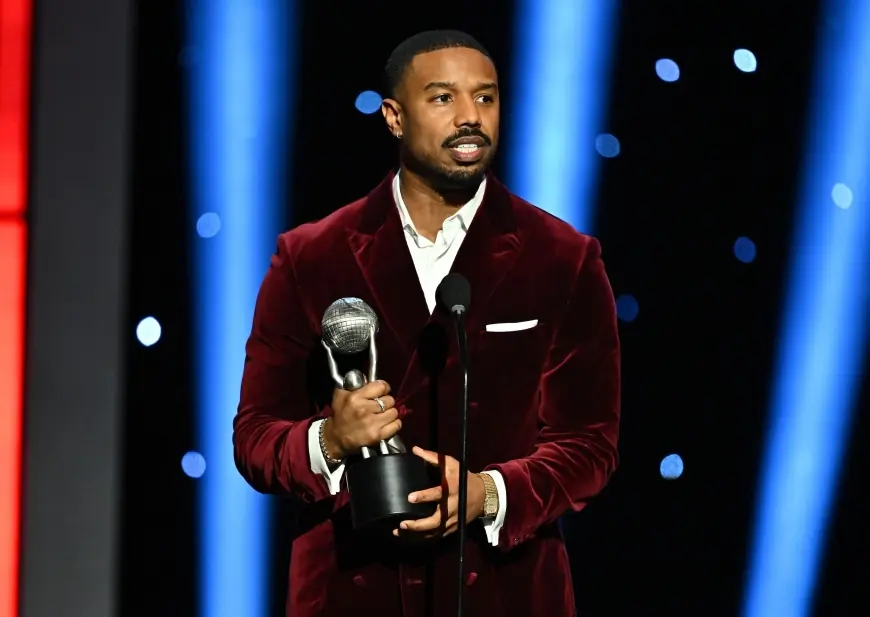
The night confirmed that Director Ryan Coogler’s film Sinners — which led the field with 18 nominations — dominated the final awards. Sinners won 13 Image Awards overall, including Outstanding Motion Picture. Michael B. Jordan won Outstanding Actor in a Motion Picture for his dual performance as twin brothers in Sinners and also took Entertainer of the Year. The film’s momentum included a win for Outstanding Breakthrough Performance in a Motion Picture for Miles Caton.
Earlier wins, supporting honors and creative team recognition
Much of Sinners’ haul built on earlier success: the film had already secured multiple wins during the week’s creative ceremonies, including directing and writing wins for Ryan Coogler and an ensemble recognition for the film’s principal cast. On the supporting side, Delroy Lindo took home Outstanding Supporting Actor in a Motion Picture, and Wunmi Mosaku won Outstanding Supporting Actress in a Motion Picture.
Key speeches, tributes and show moments
Viola Davis accepted the Chairman’s Award on the Pasadena stage, delivering a speech that emphasized self‑worth, resilience and the need to confront hard truths for collective progress. Davis reflected on rising from childhood poverty in Rhode Island to sustained success across stage, screen and audio, a career that includes two Tonys, an Emmy, an Academy Award and a Grammy for the audiobook of her memoir Finding Me.
Michael B. Jordan’s evening was emotional: his entertainer honor and acting win included a personal nod to his late friend and co‑star Chadwick Boseman, and he used his moment to send encouragement to his hometown of Newark, New Jersey.
Host, Hall of Fame induction and monologue texture
Comedian Deon Cole opened the ceremony with a monologue that blended sharp political humor and cultural commentary. His set included a censored jab referencing immigration enforcement and a pointed nod to a recent disruption involving Michael B. Jordan and Delroy Lindo at the British Academy Film Awards; he also worked a comedic prayer segment into the opening. Hip‑hop trio Salt‑N‑Pepa — Cheryl “Salt” James, Sandra “Pepa” Denton and DJ Spinderella (Deidra Muriel Roper) — were inducted into the Image Awards Hall of Fame in recognition of their late‑1980s and 1990s breakthrough, highlighted by hits such as Push It, Shoop and Whatta Man.
- Key takeaways: Sinners converted an 18‑nomination advantage into 13 wins; creative‑ceremony momentum carried forward; veteran artists received career honors; the host’s opening injected political lines into the night.
- No single‑line summary captures the range of images from the assembled gallery of moments — from studio stages to sports sidelines.
- Notable competitive fields included nominees such as Cynthia Erivo, Doechii, Kendrick Lamar and Teyana Taylor for Entertainer of the Year; last year’s Entertainer was Keke Palmer.
- Some list details in the record are unclear in the provided context and appear inconsistent across updates.
Here’s the part that matters: the awards night doubled as both a career milestone platform and a photo gallery of cultural moments, with winners, tributes and punchy openers all arrested in still frames and headlines.
Gallery moments and a grab bag of other headlines carried alongside the show
The accompanying gallery and headlines captured a range of unrelated snapshots and sports items that were presented alongside awards coverage: Jack Hughes, Quinn Hughes, Megan Keller and Hilary Knight continued a post‑Olympic victory lap at 30 Rock; Arman Tsarukyan brought a heavy MMA energy to a wrestling event on Saturday; Randy Orton and Rhea Ripley posted big wins amid reveals from Seth Rollins and Danhausen at the WWE Elimination Chamber in Chicago, a show some described as staged with a single, narrowly focused goal; a Wordle puzzle answer and hints were included; a softball game illustrated that a team can win without recording a hit; the Red Raiders notched a third straight win after losing star JT Toppin for the season; the Jets left the combine in a stronger position with five first‑round picks in 2026 and 2027; Darryn Peterson’s stretch briefly pulled the Jayhawks within two points before the Wildcats answered with another run; and Brandon Miller scored 26 for Charlotte as that team extended a run to 16 wins in its past 20 games.
It’s easy to overlook, but the awards’ structure — creative ceremonies earlier in the week, then a televised finale — amplified Sinners’ sweep and framed career honors as part of a multi‑night narrative. The real test will be how this momentum shapes awards season stories beyond Pasadena.
Writer’s aside: What’s easy to miss is how awards that pile up across multiple nights change the late‑night talking points: a film can feel inevitable by the final ceremony because its wins have already set the table earlier in the week.