























Who Is Reza Pahlavi, Symbol of Opposition and an Exiled Crown Prince Touting a Future Leadership Role

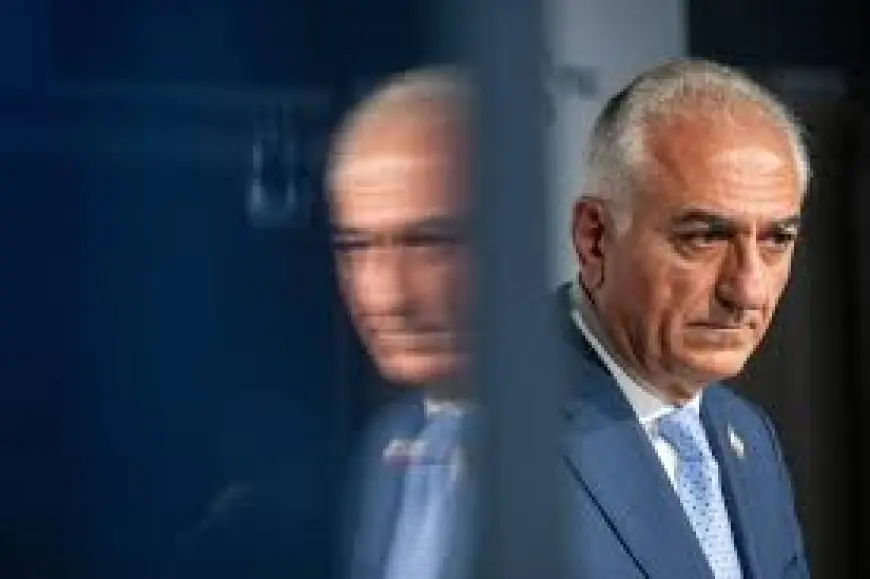
Recent headlines have put reza pahlavi at the center of a renewed debate about Iran’s future, presenting him simultaneously as a symbol of opposition to the current regime, an exiled crown prince touting himself as a future leader, and a figure some Iranians may be ready to accept. Three distinct pieces of coverage — published 23 hours ago, 3 days ago and 4 days ago — drive the current conversation.
Reza Pahlavi: how recent headlines frame the question
The recent coverage referenced by these headlines presents three overlapping frames. The pieces are listed here with their published timings:
- "Who Is Reza Pahlavi, Symbol of Opposition to Iran’s Regime?" — published 23 hours ago.
- "Iran’s exiled crown prince is touting himself as a future leader. Is this what’s best for the country?" — published 3 days ago.
- "Why Iranians Are Increasingly Willing to Settle for Reza Pahlavi" — published 4 days ago.
Each headline highlights a different angle: personal identity and symbolism, active pursuit of a leadership role from exile, and a changing calculation among Iranians about what leadership they might accept.
Reza Pahlavi as a symbol of opposition
One headline explicitly labels him a symbol of opposition to Iran’s regime. That framing places emphasis on his public image rather than on a detailed program or policy platform. Specifics about how that symbolism translates into organized political support, concrete proposals, or measurable backing are unclear in the provided context.
Exiled crown prince touting himself as a future leader
Another headline presents him in the active role of an exiled crown prince who is promoting himself as a prospective leader. The coverage raises the question of whether that aspiration is what’s best for the country. The context does not supply details about the nature of his messaging, the audiences he addresses, or any timeline for an asserted leadership bid; those elements are unclear in the provided context.
Why Iranians may be willing to settle for reza pahlavi
The third headline emphasizes a pragmatic shift among some Iranians toward a willingness to settle for Reza Pahlavi. That framing suggests a trade-off or compromise in expectations among parts of the population. The context does not include specifics about the scale of this sentiment, the demographic breakdown of that willingness, or polling or evidence quantifying it; such particulars are unclear in the provided context.
Outstanding questions and what to watch next
Taken together, the three recent headlines — published 23 hours ago, 3 days ago and 4 days ago — outline a narrative arc but leave multiple open questions. Key unknowns in the available material include the extent of public support behind the symbolic label, the operational strategy behind any declared leadership bid from exile, and concrete indicators showing why and how Iranians might be prepared to accept him as a compromise choice. These gaps point to follow-up areas that would clarify the dynamics the headlines identify.
Implications for the debate over Iran’s future
The juxtaposition of symbolism, self-promotion, and pragmatic acceptance in recent coverage frames the debate as both political and psychological: symbolic figures can catalyze movements, personal bids for leadership can provoke scrutiny about fitness and intent, and a willingness to settle can reshape expectations about transition. The immediate material available does not confirm outcomes or timelines, so observers should treat these developments as part of an evolving story rather than as definitive shifts in Iran’s political trajectory.
For now, the three headlines — "Who Is Reza Pahlavi, Symbol of Opposition to Iran’s Regime?" (published 23 hours ago), "Iran’s exiled crown prince is touting himself as a future leader. Is this what’s best for the country?" (published 3 days ago), and "Why Iranians Are Increasingly Willing to Settle for Reza Pahlavi" (published 4 days ago) — together sketch the contours of a discussion that remains open and in need of further, specific detail.