

























Khamenei’s Death Sparks Protests in Pakistan and Iraq

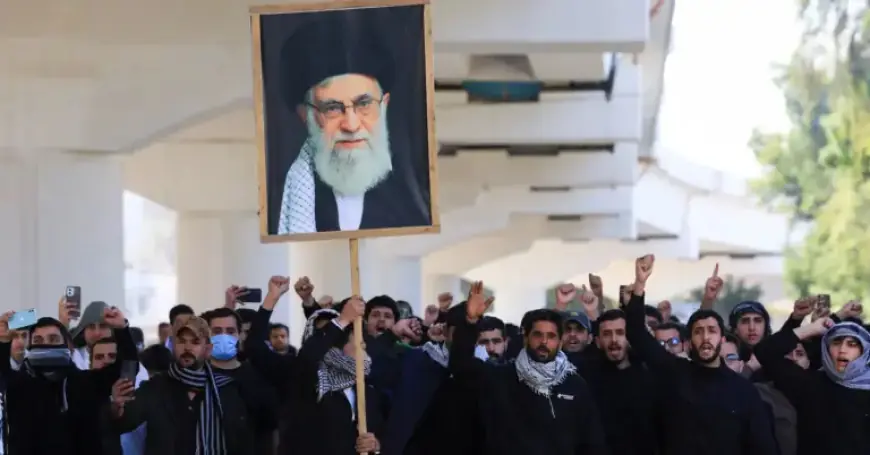
News of the death of Iran’s Supreme Leader, Ayatollah Ali Khamenei, has ignited widespread protests in Pakistan and Iraq. The incident occurred on March 1, 2026, following strikes attributed to the U.S. and Israeli forces.
Khamenei’s Death Triggers Violent Protests
In Karachi, Pakistan, clashes erupted as demonstrators attempted to breach the outer wall of the U.S. consulate. Local police confirmed that nine individuals lost their lives during the confrontations. Protesters set a vehicle ablaze near the consulate, and heavy police presence responded with tear gas and gunfire.
Protests Across Pakistan
- Karachi: Violence surged as protesters clashed with police outside the U.S. consulate.
- Skardu: Protesters burned down a United Nations office, with no reported casualties.
- Lahore: Hundreds gathered outside the U.S. consulate, leading to minor skirmishes with law enforcement.
- Islamabad: Authorities blocked roads leading to the diplomatic district to prevent protests.
In the normally peaceful Gilgit Baltistan region, the attack on the UN office marked a significant escalation. Shabbir Mir, a local government spokesperson, reported significant destruction but confirmed there were no injuries.
In Lahore, clashes at the U.S. consulate were limited, with police managing to contain any violent outbreaks. Eyewitness Aqeel Raza noted that some protesters attempted to damage the security gate but were halted without force.
Protests in Iraq
In Baghdad, supporters of Shi’ite armed groups took to the streets, demonstrating outside the Green Zone, where the U.S. Embassy is located. The protests reflect the deep connections between Iran and Shi’ite communities in both Pakistan and Iraq.
As the unrest continues, both regions are grappling with the implications of Khamenei’s death and the associated geopolitical tensions. The situation remains fluid, with authorities on high alert to manage escalating protests.