

























Crypto Atm ban proposal puts seniors, rural wallets and local commerce at stake in Minnesota

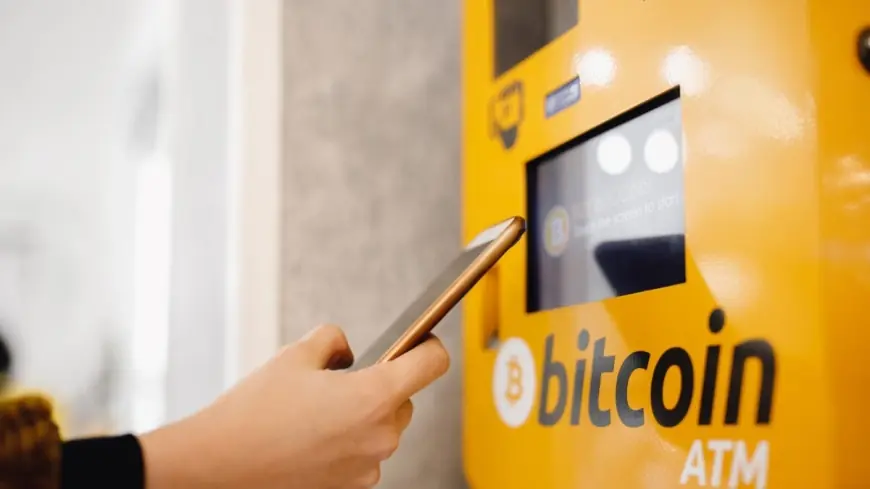
The debate over whether to ban physical cryptocurrency kiosks is already a debate about who loses first. The proposed measure would remove in-person kiosks statewide and, in practice, hits older residents, people on fixed incomes and cash-reliant communities most immediately. The term crypto atm has become shorthand in committee testimony for machines where scammers have extracted large, repeated sums from vulnerable people.
Who feels the impact first: communities, seniors and local economies
Law enforcement and local officials framed the impact as concentrated and cumulative: individual victims who rely on cash or in-person help; small towns that see money leave local circulation; and service providers who must intervene when victims face housing or food insecurity. In one cited local series of incidents, a police department documented more than $500, 000 in losses tied to kiosks in their city since 2022, with officials estimating that figure represents a fraction of total incidents because many go unreported.
What’s easy to miss is how a steady flow of modest, repeated losses can add up to what amounts to a crisis for small communities and the public services that support them.
Here’s the part that matters for people deciding policy and for residents watching: removing kiosks would not eliminate online cryptocurrency transactions, but it would immediately alter the on‑ramp that bad actors exploit in person. If you’re wondering why this keeps coming up, committee testimony highlighted a pattern of scams that rely on victims using cash or debit at machines under the direction of fraudsters.
- Scope: About 350 licensed kiosks operate in the state under eight to ten companies.
- Reported losses: State-level complaint records show 70 kiosk complaints in a recent 12-month period totaling $540, 000; officials say most incidents are not reported.
- Victim profile: Cases emphasized older adults and people on fixed incomes repeatedly sending large portions of monthly earnings through kiosks.
- Signal to watch: Committee action on the bill and whether operators expand identity verification or refund protocols before session end.
Bill text and regulatory background — what would change
The proposal before the House Commerce Finance and Policy Committee is framed as a statewide prohibition on virtual currency kiosks that accept cash or debit cards for instant purchases. The measure would repeal a regulatory framework enacted in 2024 that added consumer protections around kiosk use: mandatory warnings that cryptocurrency is not legal tender and that transactions are irreversible, a $2, 000 daily limit for new customers who had held accounts less than 72 hours, and a refund pathway for fraud victims who contacted operators and law enforcement within 14 days.
Department lawmakers that scammers routinely find ways to bypass those protections by directing victims to use existing accounts or machines in neighboring states. Operators push back against a total ban, acknowledging scam activity while arguing that kiosks are a legal product and that banning them for the actions of criminals is inappropriate. Lawmakers and committee leaders say they are working across party lines to find bill language that can pass by the end of session; for now, the measure has been laid over for future consideration.
There are broader indicators beyond the state: other jurisdictions have pursued enforcement actions, settlements and licensing reforms related to kiosk operations, suggesting the issue is part of a larger pattern. Policymakers here will be balancing immediate consumer protection steps with the practical limits of state tools and the operational choices kiosk companies make.
The real test will be whether legislative change, industry adjustments or both reduce the steady stream of small, damaging transactions that add up to severe hardship for individuals and lost dollars for local communities.