























Pentagon Education Shakeup: Pete Hegseth’s Ban on Top Universities and the Practical Shift for Officer Training

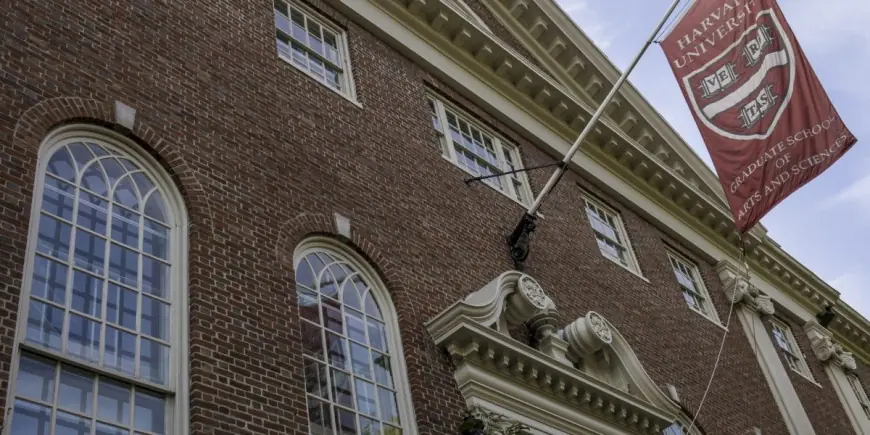
Why this matters now: With professional military education programs being cut at a slate of elite institutions, pete hegseth’s moves will force the Defense Department to reconfigure where senior officers get graduate training and partner expertise. The decision targets long-standing ties with Ivy League and other research universities, pushing the military toward alternative schools and an internal review of war colleges.
Pete Hegseth’s changes and who will feel the shift first
The immediate consequence is a narrower roster of approved graduate and fellowship programs for senior military officers for the 2026-2027 academic year and beyond. That reshapes professional development pathways for officers who had planned to attend Ivy League and comparable institutions. It also raises questions about how the department will maintain access to specialized technical work and leading-edge AI and space research previously tied to some of the excluded schools.
Here's the part that matters: officers expecting to enroll at listed institutions will need alternative placements or delay their study, and services that relied on campus-based research partnerships must find new arrangements. The plan also includes a top-to-bottom review of war colleges to refocus their curricula on warfighting and leadership as defined by the secretary.
Event details and the scope of the cancellations
The defense secretary announced a cancellation of departmental attendance at multiple graduate programs and elimination of certain fellowship programs for the 2026-2027 academic year and beyond. Specific institutions named for removal include a number of Ivy League schools and other top universities, and earlier steps had already ended training, fellowship, and certificate programs with one major university.
In parallel, a memo accompanying the cancellations listed additional universities that could become new partners, including a mix of public and private institutions. The guidance also directs an internal review of professional military education at war colleges to ensure they prioritize development of leaders focused on lethality and strategic realism.
- Canceled or curtailed programs: Ivy League and other top research universities (names cited in announcements included Harvard, Princeton, Yale, Columbia, Brown, MIT, Carnegie Mellon, and the School of Advanced International Studies at Johns Hopkins).
- Potential new partner schools named for future collaboration: a range of public and private universities suggested for possible replacement partnerships.
- Internal actions: a comprehensive review of war colleges to align curricula with the stated mission of producing operationally focused leaders.
It is notable that some of the now-excluded institutions host key defense-linked initiatives, such as army AI integration work and space-force education partnerships. Recent policy changes at the federal level around AI providers were mentioned alongside the education decisions, indicating a broader reorientation of technology and institutional ties.
What’s easy to miss is that removing established campus partnerships does not instantly replace the specialized research ecosystems those schools provide; building equivalent in-house capability or new external relationships will take planning and time.
Mini timeline (concise):
- Earlier this month: termination of specific training, fellowship, and certificate programs with one major university.
- Announcement and memo: elimination of certain Senior Service College fellowship programs for the 2026-2027 academic year and beyond, with an explicit list of excluded schools.
- Concurrent proposal: potential new partner schools identified as alternatives; a top-to-bottom review of war colleges initiated to refocus professional military education.
The real question now is how quickly the department can substitute partner capabilities and reassign officers without creating gaps in senior leader development or in ongoing technical collaborations.
Key takeaways and forward signals to watch for: institutions selected for new partnerships, outcomes of the war colleges review, and whether specialized centers tied to excluded schools (particularly in AI and space) are relocated or restructured. Recent updates indicate these details may continue to evolve.